
WhatsApp pregnant job scam ₹5 lakh offer India — is it real or fake?
A dangerous and deeply disturbing scam is circulating on WhatsApp and Telegram, luring vulnerable individuals with promises of exorbitant sums (₹5-10 lakh) for an "All India Pregnant Job." This elaborate fraud preys on trust, impersonates clients, and relentlessly extracts money through various pretexts via UPI.
How This Scam Works
The "All India Pregnant Job" scam is a particularly insidious form of human trafficking and financial fraud, masquerading as a legitimate (albeit highly unethical) employment opportunity. It typically begins with an unsolicited message on WhatsApp or Telegram. These messages are often poorly worded, contain grammatical errors, and promise an unbelievable payout – anywhere from ₹5 lakh to ₹10 lakh – for participating in a scheme where the individual supposedly becomes pregnant to provide children for childless couples. Once an individual expresses interest, the scammers initiate a multi-stage process designed to extract money and potentially gather personal information. They build a false sense of legitimacy by presenting themselves as representatives of a "clinic," "agency," or "NGO." They might share fake testimonials or even rudimentary, poorly designed "brochures" or "contracts." The first financial demand usually comes under the guise of an "application" or "registration fee." This is followed by charges for "medical tests," "legal documentation," "background checks," and "travel arrangements." A common tactic is to demand payment for "hotel tariffs" in a distant city, claiming the "client" or "medical facility" is located there. The scam escalates with the introduction of a "client" – often a female voice on a phone call. This "client" will engage in seemingly genuine conversations, further solidifying the victim's belief in the job's legitimacy. They frequently express urgency and play on emotions, making the victim feel that this is a once-in-a-lifetime opportunity they cannot afford to lose. This "client" is instrumental in demanding further "security deposits" or "pre-medical procedure fees," often justifying them as refundable or necessary for "insurance." All payments are meticulously directed through UPI, making them difficult to trace and reverse. The scammers may even guide victims on how to make these UPI payments, sometimes asking them to use specific apps or payment gateways. They maintain constant pressure, sometimes threatening legal action or loss of the "job" if payments are delayed. The cycle continues until the victim either runs out of money, becomes suspicious, or attempts to withdraw from the scheme, at which point the scammers simply disappear, blocking all communication. Beyond the financial loss, this scam has a significant psychological impact. Victims are often left feeling violated, embarrassed, and exploited, compounding their financial distress with emotional trauma. The scam targets aspirations for a better life and exploits societal taboos around childlessness, making it particularly cruel.
Red Flags
- Unsolicited Offers with Unbelievable Pay:** Any message offering lakhs of rupees for a "job" that sounds too good to be true, especially one involving surrogacy or pregnancy, on platforms like WhatsApp or Telegram, is a massive red flag.
- Requests for Upfront Payments:** Legitimate jobs never ask for "registration fees," "security deposits," "medical test fees," or "hotel tariffs" upfront before you even start working. This is a classic scam tactic.
- UPI-Only Payments:** Scammers almost exclusively demand payments via UPI (Google Pay, PhonePe, Paytm, etc.) because these transactions are often instantaneous and difficult to reverse once completed.
- Pressure and Urgency:** Scammers create a sense of urgency, pressuring you to make quick decisions and immediate payments, often stating that the "opportunity" is time-sensitive or that the "client" is waiting.
- Poor Language and Grammar:** Messages and communications often contain grammatical errors, awkward phrasing, or unusual sentence structures, indicating they are not from a professional organization.
- Impersonation and Emotional Manipulation:** The use of a "client" (often a female voice) who builds rapport and then subtly pushes for more money, playing on your hopes or fears, is a key manipulation tactic.
- Lack of Official Communication Channels:** Reputable organizations will have official websites, verifiable contact details, and formal application processes, not just WhatsApp or Telegram chats.
How to Stay Safe
- Be Skeptical of Unsolicited Offers:** Never trust messages or calls offering jobs or quick money, especially if you didn't apply for anything similar. If it sounds too good to be true, it almost certainly is.
- Never Pay for a Job Application:** Legitimate employers pay you; you do not pay them to get a job. Any request for money for registration, processing, security, or training is a scam.
- Verify Everything Independently:** If you receive such an offer, independently research the "company" or "agency." Look for official websites, contact numbers, and reviews. Do not rely on information provided by the caller/messenger.
- Guard Your Personal Information:** Be extremely cautious about sharing personal details like Aadhaar number, PAN, bank account details, or OTPs. Scammers can use this information for identity theft.
- Don't Fall for Pressure Tactics:** Take your time. Never make hurried decisions under pressure. A legitimate opportunity will not disappear if you take a day to verify it.
- Educate Yourself and Your Family:** Share information about these kinds of scams with friends and family, especially vulnerable individuals or those actively looking for employment.
If You Are Targeted
- Do NOT Engage Further:** Stop all communication immediately. Do not respond to any more messages or calls from the scammers. Block their numbers on WhatsApp/Telegram and on your phone.
- Do NOT Send Any Money:** Under no circumstances should you make any payments to these scammers. Any money sent via UPI is almost impossible to recover.
- Report the Scam:**
- Cybercrime Portal:** File a complaint immediately on the National Cybercrime Reporting Portal (cybercrime.gov.in) or call the helpline number 1930. Provide all screenshots of chats, transaction details, and phone numbers.
- Your Bank/UPI Provider:** If you have already made a payment, contact your bank and your UPI app provider (Google Pay, PhonePe, Paytm, etc.) immediately to report the fraudulent transaction. While recovery is unlikely, it's crucial to report.
- WhatsApp/Telegram:** Report the specific chat or number within the app itself to help prevent others from falling victim.
- Document Everything:** Take screenshots of all messages, caller IDs, and transaction details. This evidence will be crucial when reporting the scam.
- Inform Others:** Share your experience with trusted friends or family members. It helps you process the incident and warns them about potential threats.
ScamGuard24 Insight
This scam is a chilling example of how fraudsters exploit deep personal desires and financial vulnerability. Its combination of a ludicrous premise with sophisticated social engineering, including feigned client interaction, makes it highly dangerous, demanding immediate public awareness and swift reporting.
Suspect a scam right now?
Open ScamGuard24 ScannerRecommended protection tools
AffiliateWe may earn a small commission if you sign up — it never changes our editorial picks.
India's most trusted antivirus. Blocks malicious APKs, UPI phishing and fake banking apps.
Get Quick HealAll-in-one mobile security + VPN. Stops phishing links shared on WhatsApp and SMS.
Try Norton 360Stop reusing passwords. Auto-fills only on the real bank site, never on phishing pages.
Get NordPassRelated alerts
 HIGH RISK
WhatsApp/Telegram 'All India Pregnant Job' scam offering 5-10 lakhs is it real
 HIGH RISK
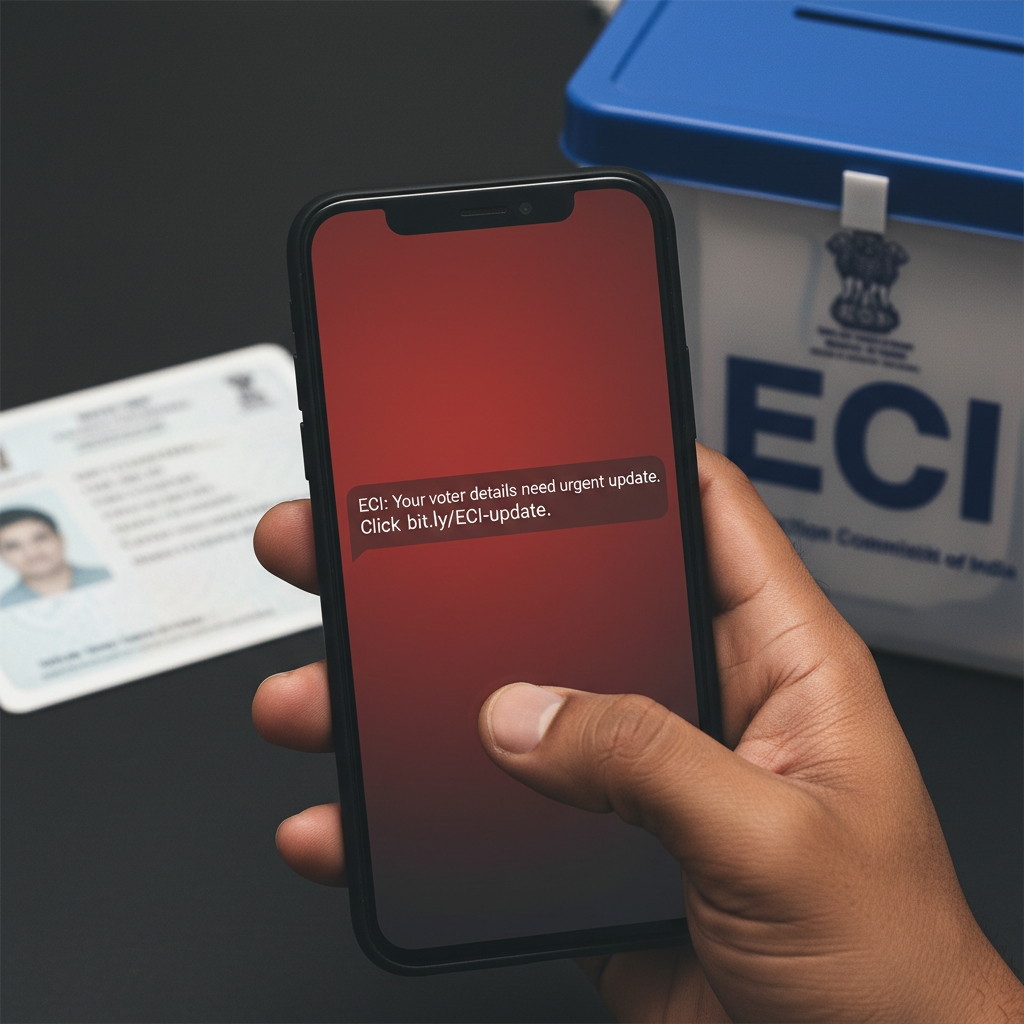
ECI voter list update SMS link — is it real, what to do?
 HIGH RISK
Comments
Be the first to comment.