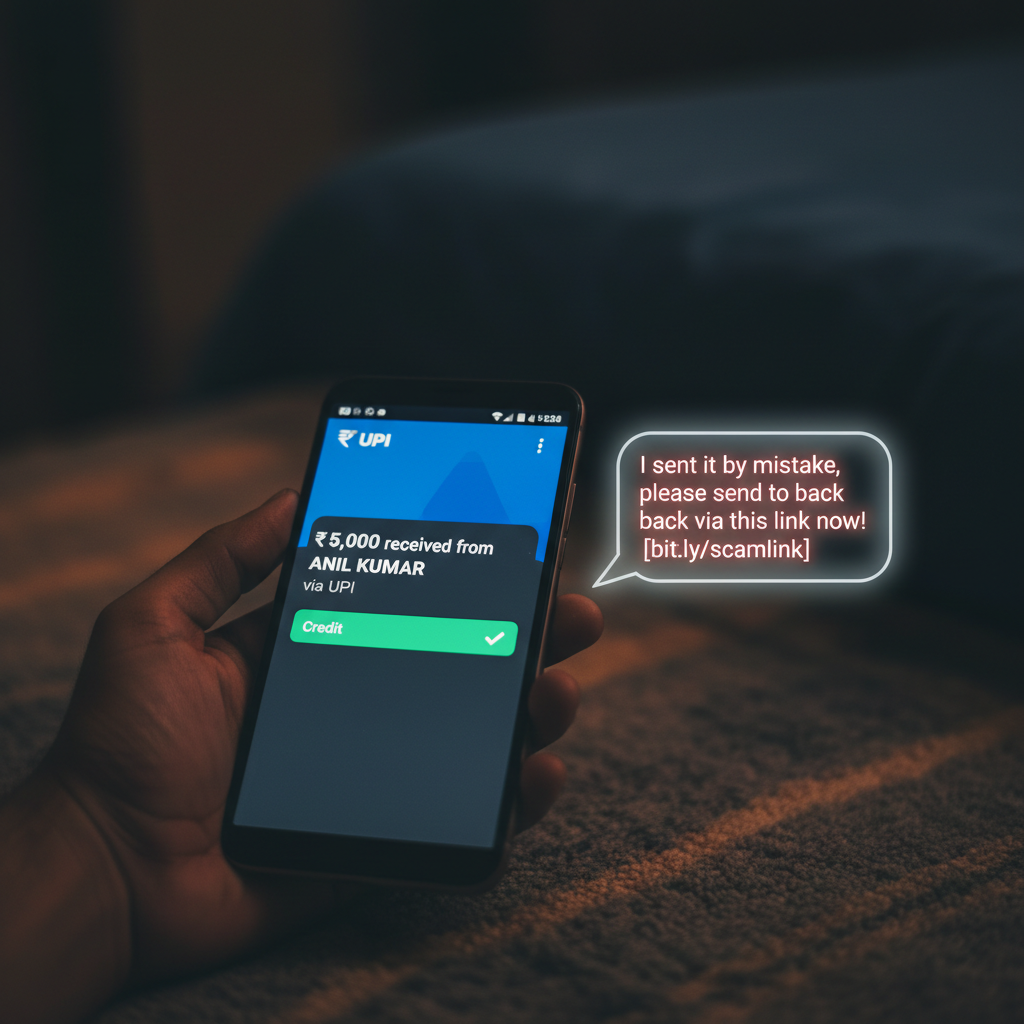
UPI unexpected deposit scam — caller asking to return, what to do?
Beware of the "Jumped Deposit" scam where fraudsters mistakenly credit your account and then pressure you to send it back via a fraudulent UPI link or collect request. This seemingly innocent act can lead to your own money being debited from your account. Always verify unexpected transactions directly with your bank.
How This Scam Works
Imagine this: you're going about your day, and suddenly, your phone pings with an SMS notification or your banking app shows an unexpected credit of, say, ₹5,000. You might feel a fleeting moment of confusion, perhaps even a pleasant surprise, but usually, a sense of "this can't be right" quickly follows. This is the first step of the "Jumped Deposit" scam. Within minutes, your phone rings. The caller, often speaking politely and urgently, identifies themselves as having accidentally transferred money to your account. They might claim to be a vendor, a family member, or even someone who got your number from a shared contact list. They will express distress and plead with you to "return" the money quickly, citing an urgent need for it. Here's the critical part: they will *never* ask for your bank details or OTP directly. Instead, they will insist you return the money through a UPI transaction. They might send you a "payment request" or a "collect request" link via a messaging app (like WhatsApp or SMS), or even guide you to generate one in your UPI app. They will then instruct you to "approve" this transaction, assuring you it's simply a way to send the money back. However, what they are actually doing is setting up a *debit* request from your account. When you "approve" this collect request, you are not sending money to them; you are authorising *them* to withdraw money from *your* account. Because you believe you are merely returning the "mistaken" deposit, you don't question the approval, inadvertently emptying your own wallet. The initial "deposit" might even be from another victim's compromised account, making tracing difficult. This scam leverages human psychology – our innate desire to be helpful and honest – against us, coupled with a lack of understanding of UPI transaction mechanics.
Red Flags
- Unexpected Credits, Followed by Immediate Calls:** Any unsolicited deposit, no matter how small, followed almost immediately by a call from someone asking you to return it, is a huge red flag.
- Insistence on UPI for Return:** Fraudsters specifically push for UPI return methods because collect requests are easily disguised as payment requests to the unsuspecting user. They will avoid traditional bank transfers if possible.
- Pressure and Urgency:** The caller will often create a sense of urgency, claiming they need the money back immediately for an emergency, to pay a bill, or to avoid a penalty.
- Vague or Unconvincing Explanations for the Mistake:** Their explanation for why they sent you the money might sound plausible but lacks concrete details.
- Asking You to "Approve" or "Accept" a Link/Request for Returning Money:** When sending money via UPI, you initiate a payment. If someone asks you to "approve" or "accept" a request to *send* money, be extremely cautious – it's likely a collect request designed to debit your account.
- Refusal to Accept Alternative Return Methods:** If you suggest returning the money by going to their bank branch or waiting for your bank to reverse it, and they refuse, it's suspicious.
How to Stay Safe
- Never Blindly Trust Unexpected Deposits:** If you receive an unexpected credit, *do not* interact with anyone claiming it was a mistake. Your bank will handle legitimate errors.
- Verify with Your Bank Directly:** The only safe course of action is to contact your bank's official customer service helpline (found on their website or your passbook, *not* from the caller) and report the unexpected transaction. They can investigate and reverse it if it's truly an error.
- Understand UPI Mechanics:** Remember, to *send* money via UPI, you initiate a "Pay" transaction. To *receive* money, someone sends it to you, or you generate a "Request" or "Collect" link for *them* to pay *you*. Never "approve" a request sent by an unknown person to "return" money.
- Do Not Click on Suspicious Links or Scan Unknown QR Codes:** Scammers often send links or QR codes that look legitimate but are designed to initiate fraudulent transactions.
- Enable Two-Factor Authentication (2FA):** Always keep 2FA enabled for all your banking and UPI apps for an added layer of security.
- Educate Family Members:** Share this information with elderly relatives and others who might be less tech-savvy.
If You Are Targeted
- Do Not Panic:** The scammer will try to create panic. Stay calm and disconnect the call immediately.
- Do Not Engage:** Block the caller's number immediately. Do not return calls or respond to messages from them.
- Do Not Agree to Any Requests:** Under no circumstances should you approve any UPI collect requests or click any links they send.
- Report to Your Bank:** Inform your bank about the suspicious deposit and the scam attempt immediately. Provide them with details like the amount, transaction ID (if any), and the caller's number.
- File a Cybercrime Complaint:** Report the incident on the National Cyber Crime Reporting Portal (cybercrime.gov.in) or dial 1930. This helps authorities track down fraudsters and prevent future incidents.
- Never Blame Yourself:** Scammers are sophisticated and prey on genuine human kindness. It's not your fault if they target you.
ScamGuard24 Insight
This scam cleverly exploits social engineering tactics, leveraging both the victim's honesty and unfamiliarity with UPI transaction flows. The "accidental" deposit serves as bait, establishing a false sense of trust and urgency that can override logical reasoning, making it a highly effective and dangerous fraud vector in India's digital payment ecosystem.
Suspect a scam right now?
Open ScamGuard24 ScannerRecommended protection tools
AffiliateWe may earn a small commission if you sign up — it never changes our editorial picks.
India's most trusted antivirus. Blocks malicious APKs, UPI phishing and fake banking apps.
Get Quick HealAll-in-one mobile security + VPN. Stops phishing links shared on WhatsApp and SMS.
Try Norton 360Stop reusing passwords. Auto-fills only on the real bank site, never on phishing pages.
Get NordPassRelated alerts
 HIGH RISK
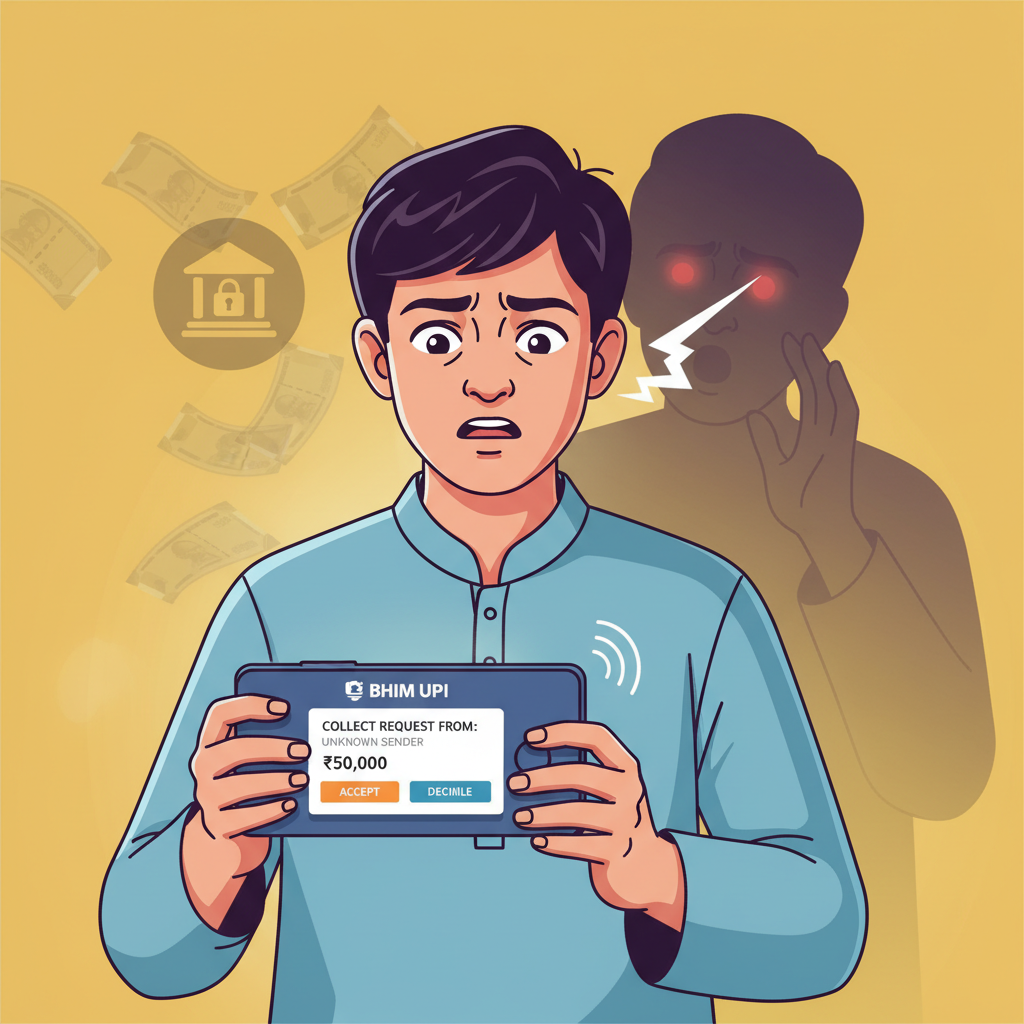
Unexpected ₹5,000 credit in bank, then UPI collect request call — what to do?
 HIGH RISK
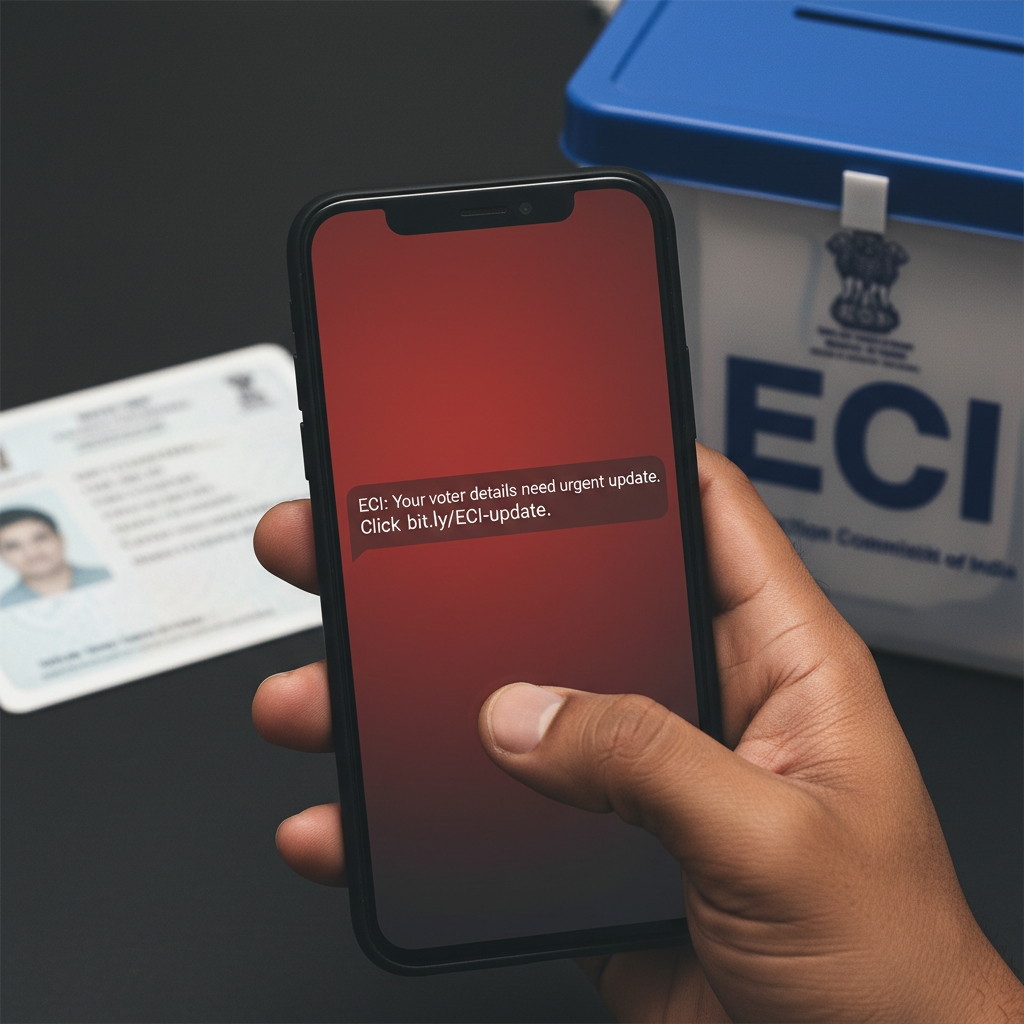
ECI voter list update SMS link — is it real, what to do?
 HIGH RISK
Comments
Be the first to comment.