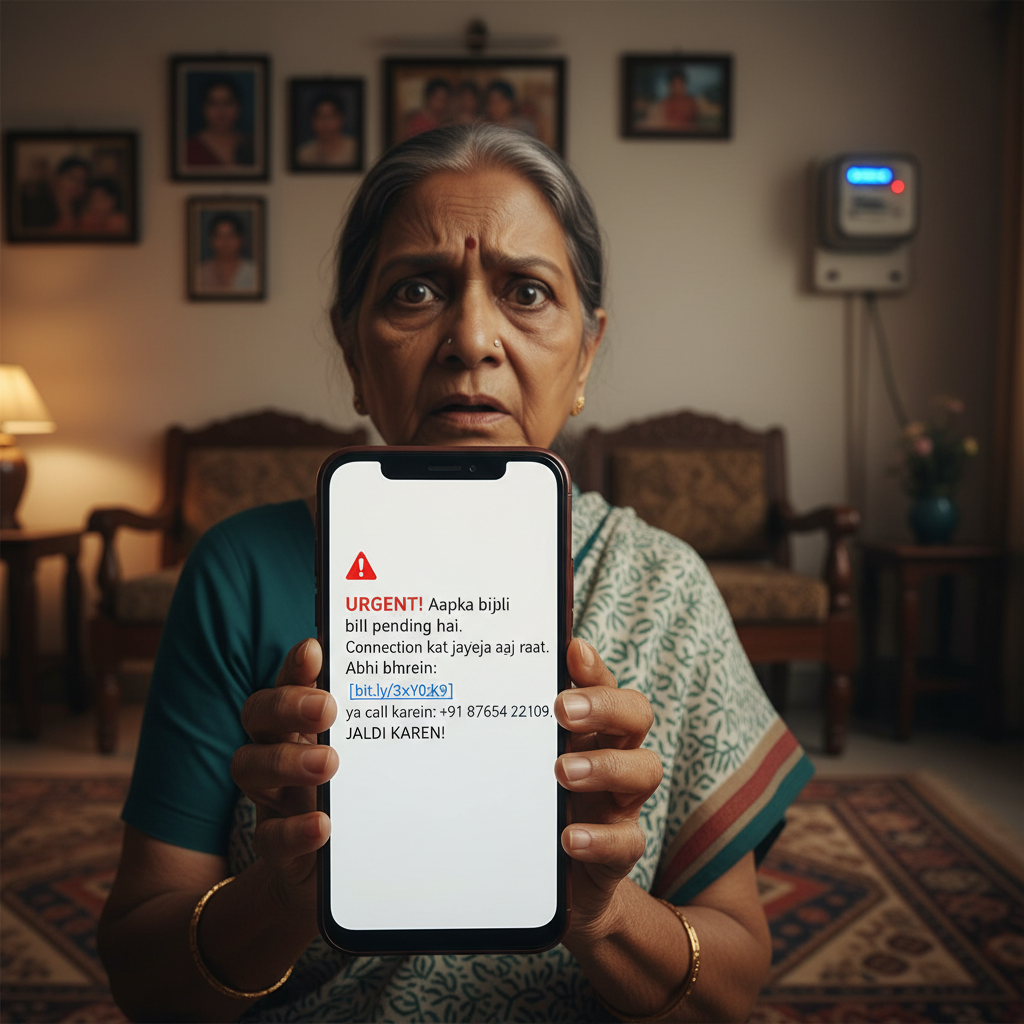
SMS electricity bill disconnected tonight, how to check if real?
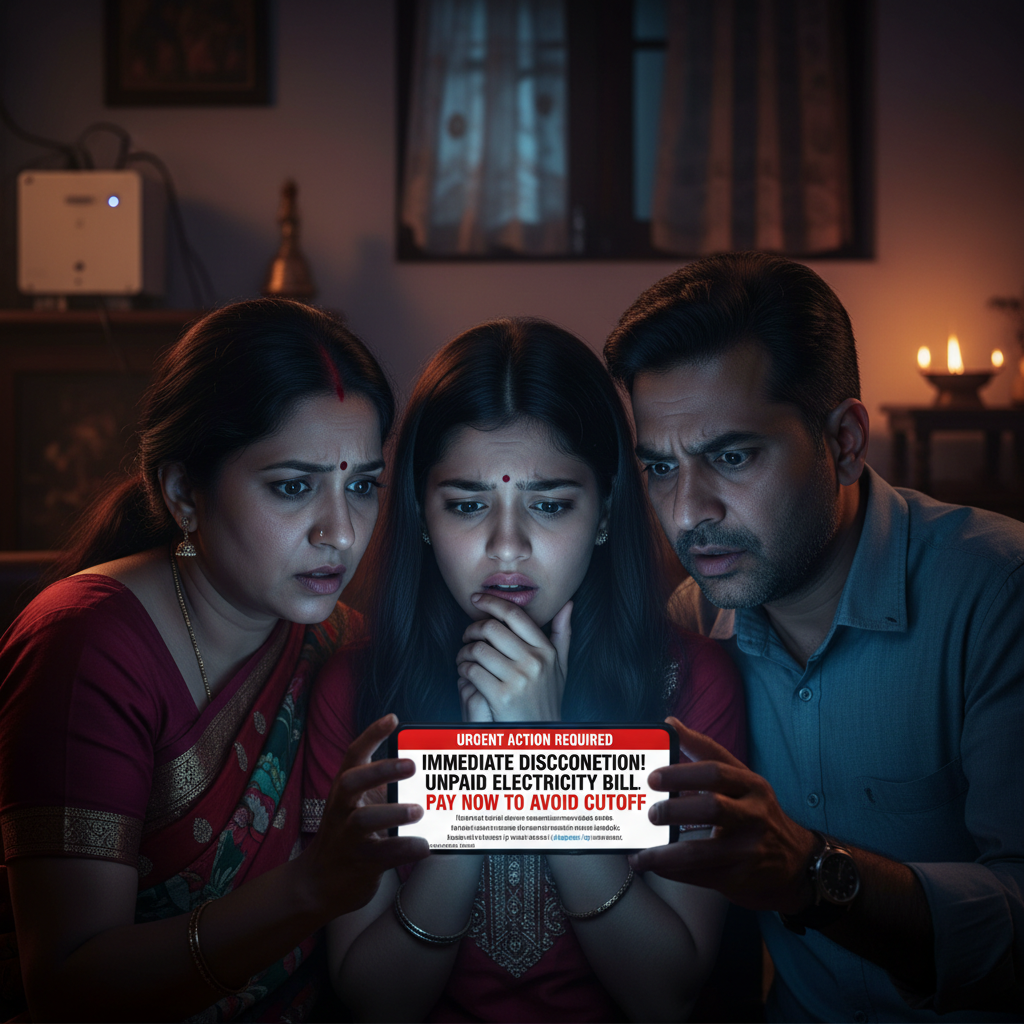
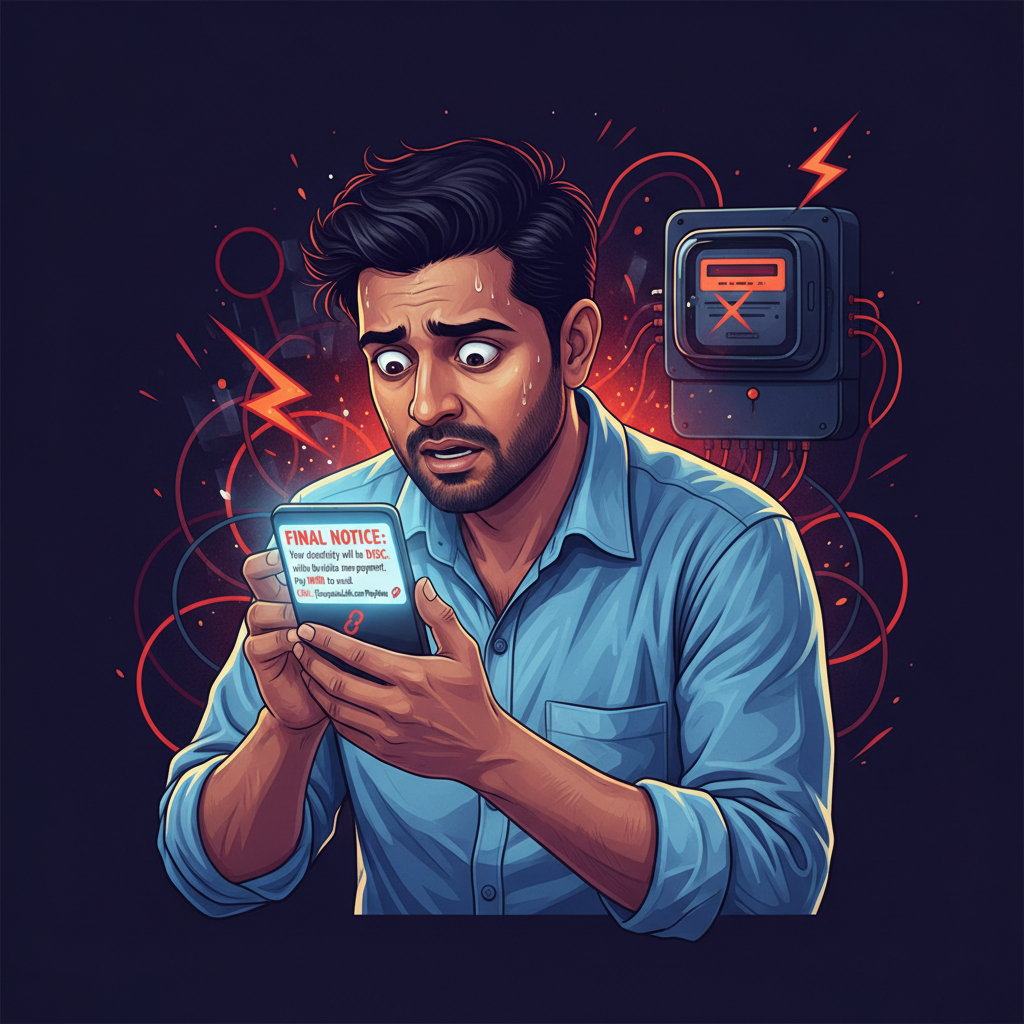
Fraudsters are sending urgent SMS messages claiming your electricity will be disconnected tonight if you don't pay immediately. These messages often contain a malicious link or a number to call, leading to financial fraud and loss of personal data. This is a high-risk scam targeting unsuspecting consumers across India.
How This Scam Works
This scam preys on urgency and fear, particularly the fear of losing an essential service like electricity. You receive an SMS, often from an unknown or spoofed number, stating that your electricity bill is overdue and your power connection will be cut off within hours or minutes. The message will typically include a fabricated bill amount, a fake account number, and a link or a contact number to "resolve" the issue. If you click the link, it often leads to a phishing website designed to look like your official electricity board portal. On this fake site, you might be asked to enter your banking details, UPI PIN, or other personal identifiable information (PII) to make a payment. Alternatively, if you call the provided number, a scammer posing as an electricity board employee will answer. They might ask you to download a remote access app (like AnyDesk or TeamViewer) under the guise of helping you with the payment. Once you install such an app and grant them access, they can take control of your phone or computer, access your banking apps, and drain your accounts. Another variant involves the scammer asking you to make a small "test" payment, often ₹1 or ₹10, to "verify" your account or reactivate your service. This is a common tactic to gain initial access to your UPI PIN or banking details, which they will then exploit for larger transactions. They might even trick you into approving a collect request on your UPI app, making you send money instead of receiving it. In some cases, they might ask for your Aadhaar details or other KYC information, which can then be used for identity theft.
Red Flags
- Urgent & Threatening Language:** Messages often use phrases like "your electricity will be disconnected tonight," "pay immediately," or "final notice." Legitimate providers give ample notice and multiple reminders before disconnection.
- Suspicious Sender Information:** The SMS comes from a random mobile number (e.g., +91 98xxxxxxxxx) instead of an official alphanumeric sender ID (like 'VM-EBILL' or 'DM-MSEDCL').
- Generic Greetings & Errors:** The message might not address you by name, or it may contain grammatical errors, typos, or unusual phrasing.
- Demanding Immediate Payment via Unknown Links/Apps:** Legitimate electricity boards never ask you to pay via third-party apps like AnyDesk, nor do they send payment links via random SMS for urgent bill payments without prior official notification.
- Unrealistic Payment Methods:** If they insist on payment methods like scanning a QR code for a bill, sharing an OTP for a 'test payment,' or asking for banking passwords over the phone, it's a scam.
How to Stay Safe
- Verify Directly with Your Electricity Board:** If you receive such a message, do not click any links or call the number provided. Instead, directly contact your local electricity board's official customer care number (found on their official website or a previous bill) or log into your verified account on their official app/website to check your bill status.
- Never Share OTPs or Banking Details:** Your bank, electricity board, or any legitimate entity will never ask for your UPI PIN, ATM PIN, CVV, or OTP over the phone, SMS, or email for any reason.
- Be Wary of Remote Access Apps:** Never download or grant access to remote desktop applications like AnyDesk, TeamViewer, or QuickSupport to anyone who contacts you unsolicited, especially if they claim to be from a service provider.
- Use Official Channels for Payments:** Always make bill payments through your electricity board's official website, app, reputable bill payment platforms (e.g., Paytm, PhonePe, Google Pay, Bharat BillPay), or authorized payment centers.
- Check Sender ID & Official Contacts:** Pay close attention to the sender ID of the SMS. If it's a mobile number instead of an official alphanumeric ID, be highly suspicious.
- Beware of "Test Payments" or ₹1 Scams:** If someone asks you to make a small payment to "activate" your service or "verify" your account, it's a trick to get your banking details or approve a fraudulent transaction.
If You Are Targeted
- Do Not Engage:** If you receive a suspicious SMS or call, do not click any links, do not reply to the SMS, and do not call the number back. Block the sender immediately.
- Report to Cybercrime India:** File a complaint immediately on the National Cybercrime Reporting Portal at cybercrime.gov.in or call the helpline number 1930. Provide all details including the scammer's number, the message content, and any links.
- Inform Your Bank:** If you have shared any banking details or lost money, immediately contact your bank's fraud department to block your cards, freeze your account, and report the unauthorized transactions.
- Change Passwords:** If you suspect any account has been compromised (e.g., after clicking a phishing link), change passwords for your banking apps, email, and other important online accounts.
- Alert Others:** Share this information with your family and friends, especially elderly individuals who might be more vulnerable to such scams.
ScamGuard24 Insight
This electricity bill scam is particularly effective due to its real-world impact and the urgency it creates, prompting victims to act without thinking. Its evolution to incorporate remote access apps and UPI-based "test payments" highlights the fraudsters' adaptability and sophistication in exploiting digital payment ecosystems in India.
Suspect a scam right now?
Open ScamGuard24 ScannerRecommended protection tools
AffiliateWe may earn a small commission if you sign up — it never changes our editorial picks.
India's most trusted antivirus. Blocks malicious APKs, UPI phishing and fake banking apps.
Get Quick HealAll-in-one mobile security + VPN. Stops phishing links shared on WhatsApp and SMS.
Try Norton 360Stop reusing passwords. Auto-fills only on the real bank site, never on phishing pages.
Get NordPass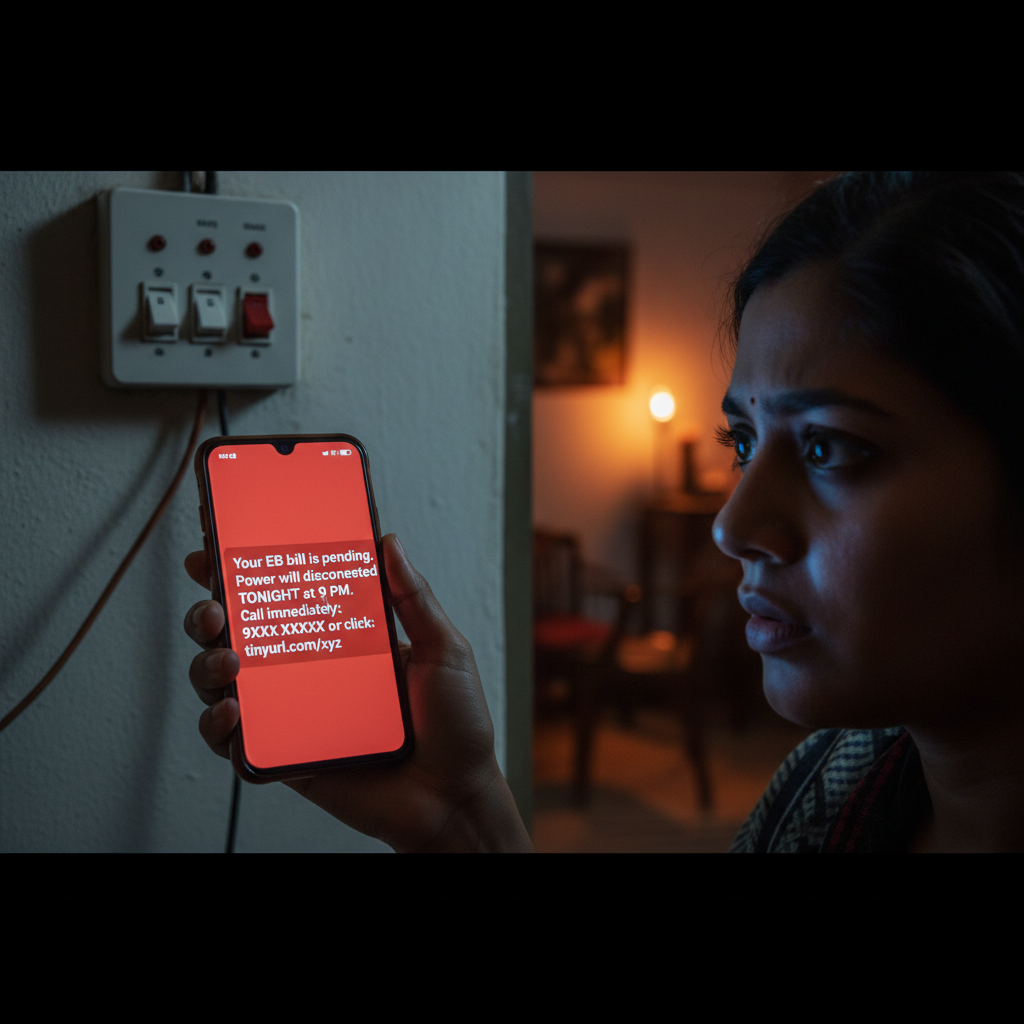
Comments
Be the first to comment.