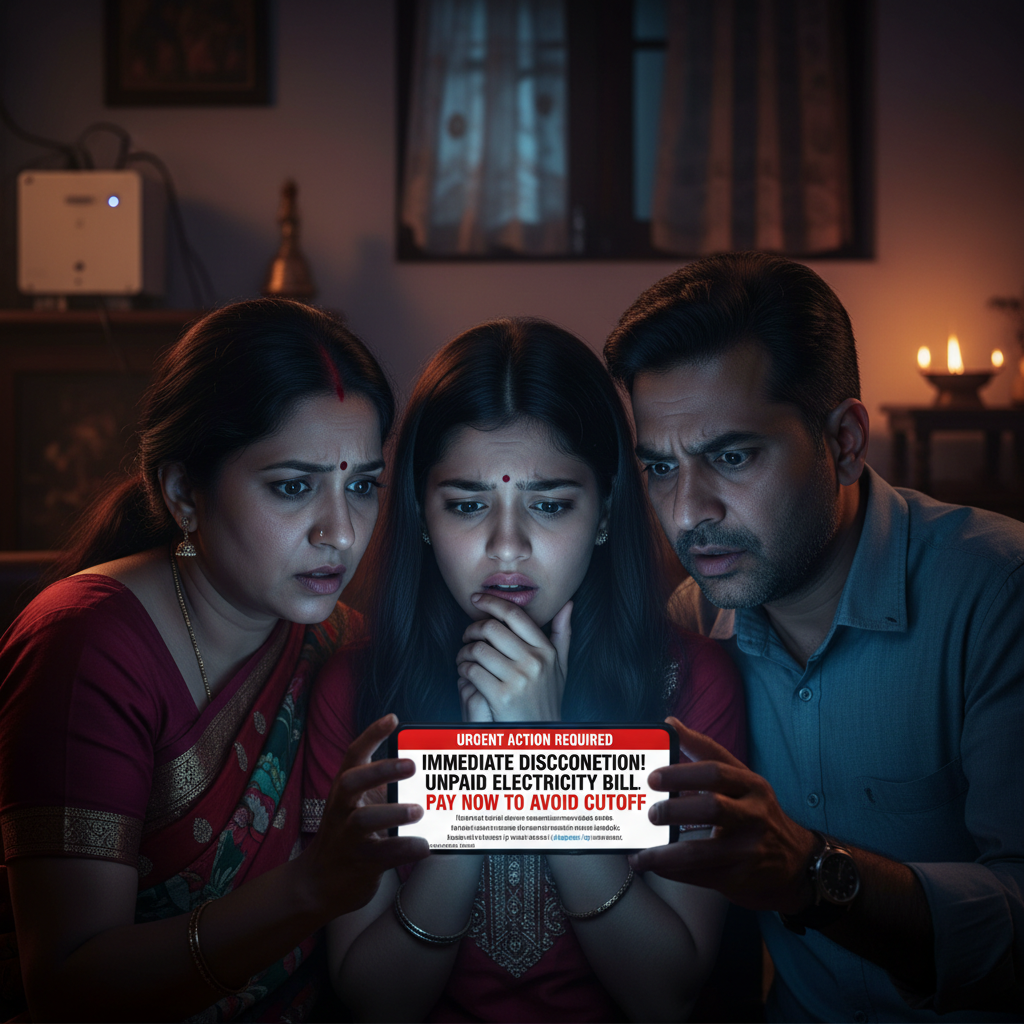
SMS saying electricity disconnected tonight India — what to do?
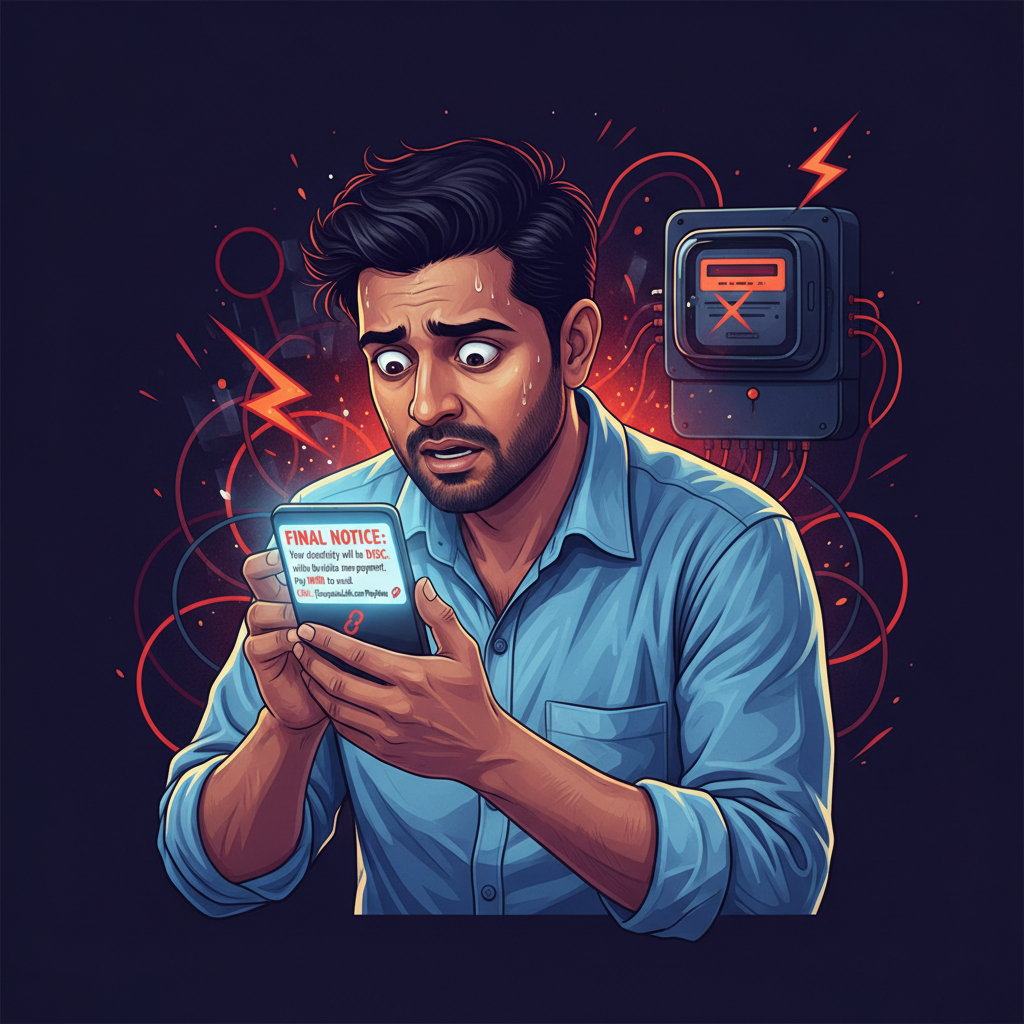
Beware of urgent SMS messages threatening immediate electricity disconnection if you don't pay via a provided link. These are sophisticated phishing attempts designed to steal your money, personal details, or install malware, particularly prevalent in India. This scam leverages fear and urgency to trick you into impulsive action.
How This Scam Works
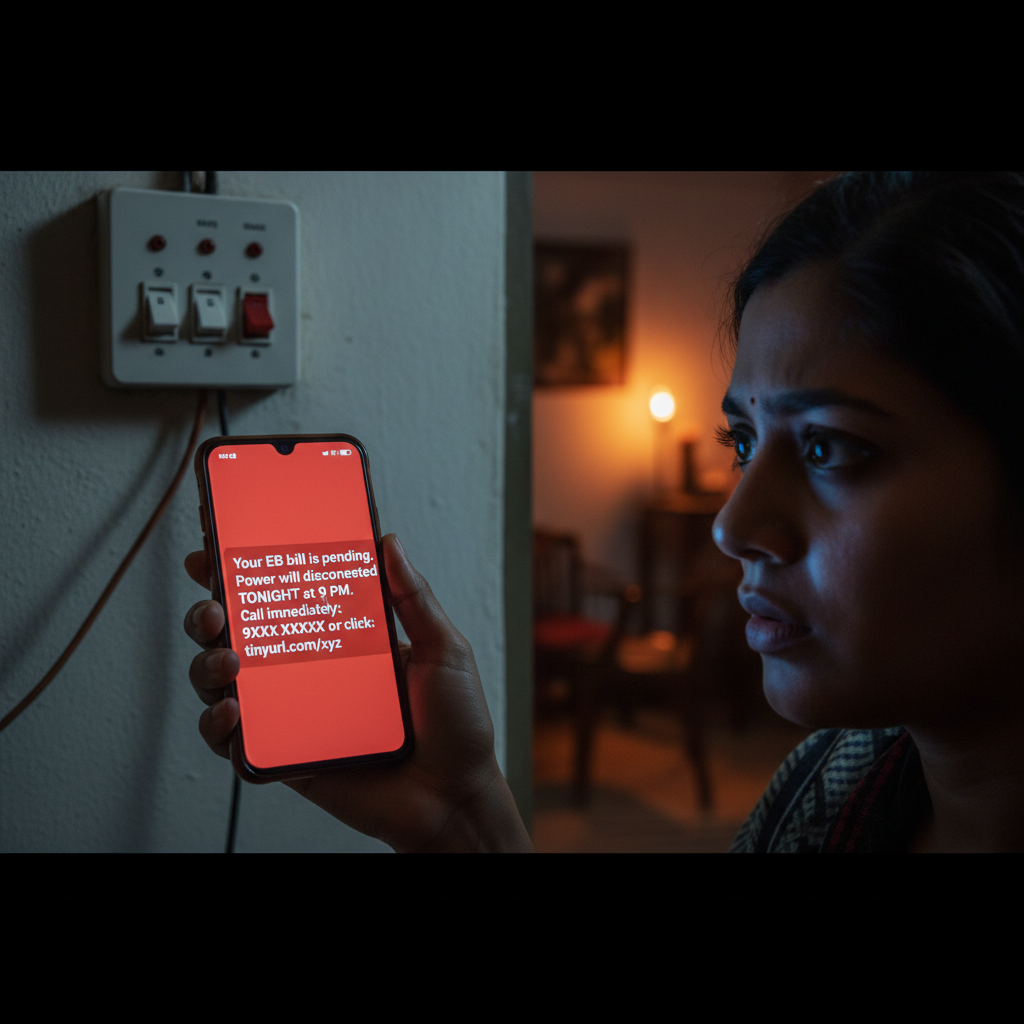
This insidious scam preys on the average Indian household's reliance on uninterrupted electricity. Scammers send an SMS, often designed to look like it's from your local electricity board (e.g., Mahavitaran, BESCOM, Tangedco, BSES, etc.), stating that your electricity bill is overdue and will be disconnected *tonight* or *within hours*. The message invariably includes a fraudulent link or a phone number to call. If you click the link, you're usually taken to a fake website that mimics the official electricity board's payment portal. This site might ask for your customer ID, payment details (debit/credit card number, expiry date, CVV), or even net banking credentials. The goal is to capture this sensitive information. In some cases, the link might even download malware onto your device, giving scammers remote access or enabling them to steal data silently. If you call the number provided, the scammer, posing as an electricity board official, will try to panic you further. They might demand immediate payment, pressure you to download a remote access app (like AnyDesk or TeamViewer), or ask you to share an OTP received on your phone. This OTP is often for initiating a transaction from your bank account or linking a UPI app to their device. They might even ask you to "test" a payment by sending a small amount, only to drain your account once you've given them access. The sense of urgency ("power will go out in 30 minutes!") is their most potent weapon.
Red Flags
- Urgent & Panicked Language:** Messages demanding immediate action to avoid disconnection *tonight* or *within hours* are a classic scam tactic. Genuine electricity boards provide ample notice for disconnections.
- Generic Greetings/Lack of Personalization:** The SMS often uses generic greetings like "Dear Customer" instead of your name, or doesn't mention your specific account number, which an official communication would.
- Suspicious Links/Phone Numbers:** The "payment link" provided will have a strange, non-official domain (e.g., electricityboard.scam.com instead of mahadiscom.in). The phone number might be a standard mobile number, not the official customer care number.
- Requests for Remote Access Apps:** No legitimate electricity board will ask you to download remote access software (like AnyDesk, TeamViewer, QuickSupport) to resolve a bill payment issue.
- Requests for OTPs or Net Banking Passwords:** Never share an OTP or your net banking login credentials with anyone over the phone or through a link. OTPs are for *authorizing* transactions, not for "verifying" your account.
- Threat of Immediate Disconnection for Small Amount:** Scammers often cite a small, believable overdue amount (e.g., ₹100, ₹500) to make the threat seem more credible and push you to act quickly without thoroughly checking.
How to Stay Safe
- Verify Independently:** Always authenticate any suspicious message or call. Call your electricity board's *official* customer care number (found on your physical bill or their official website) or check your bill status on their official app/website. Do NOT use numbers/links from the suspicious SMS.
- Never Click Unknown Links:** Avoid clicking on links in unsolicited SMS messages, especially those related to payments or disconnections.
- Do Not Share OTPs or Personal Information:** Your bank account, Aadhaar, UPI PIN, and other sensitive details are private. Never share them with anyone who calls or texts you, no matter how convincing they sound. OTPs are for *your* transactions.
- Use Official Payment Channels:** Always pay your electricity bills through the official electricity board website, their authorized mobile app, reputable payment platforms (e.g., PhonePe, Google Pay, Amazon Pay if linked to your official account), or designated payment centers.
- Enable Two-Factor Authentication (2FA):** Where available, enable 2FA for your banking and UPI apps to add an extra layer of security.
- Educate Family Members:** Inform elderly family members and those less tech-savvy about these scams, as they are often primary targets.
If You Are Targeted
- Do Not Panic, Do Not Respond:** The scammers' goal is to induce panic. Resist the urge to call back or click the link.
- Block the Number:** Immediately block the sender's number to prevent further communication.
- Report the Scam:**
- National Cybercrime Helpline:** Dial 1930 or visit [www.cybercrime.gov.in](http://www.cybercrime.gov.in/) to report the scam.
- Telecom Service Provider:** Report the fraudulent SMS to your mobile network operator (Jio, Airtel, Vodafone Idea) so they can investigate and potentially block the number.
- Electricity Board:** Inform your local electricity board about the scam attempt, as it might be widespread in your area.
- Change Passwords (If You Clicked):** If you inadvertently clicked on a link or entered any details on a fake site, immediately change passwords for your banking apps, email, and any other accounts that might share similar credentials.
- Contact Your Bank (If Money Lost):** If you have lost money, immediately contact your bank's fraud department. The quicker you act, the higher the chance of potentially recovering funds.
ScamGuard24 Insight
This electricity bill scam thrives on the universal need for power and the fear of disruption. Its effectiveness lies in creating immediate urgency and exploiting trust in official-looking communications. Always assume unsolicited, urgent messages about bill payments are fraudulent until proven otherwise through independent verification.
Suspect a scam right now?
Open ScamGuard24 ScannerRecommended protection tools
AffiliateWe may earn a small commission if you sign up — it never changes our editorial picks.
India's most trusted antivirus. Blocks malicious APKs, UPI phishing and fake banking apps.
Get Quick HealAll-in-one mobile security + VPN. Stops phishing links shared on WhatsApp and SMS.
Try Norton 360Stop reusing passwords. Auto-fills only on the real bank site, never on phishing pages.
Get NordPass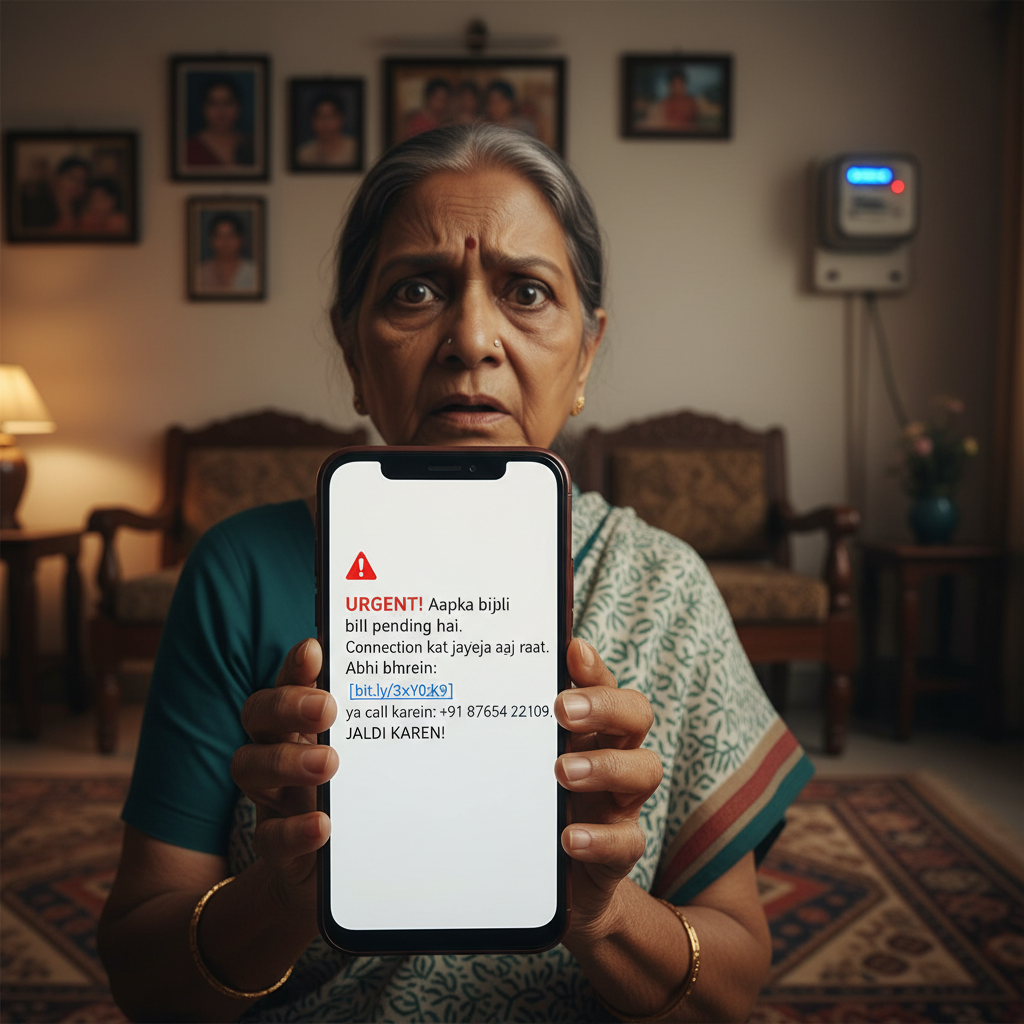
Comments
Be the first to comment.