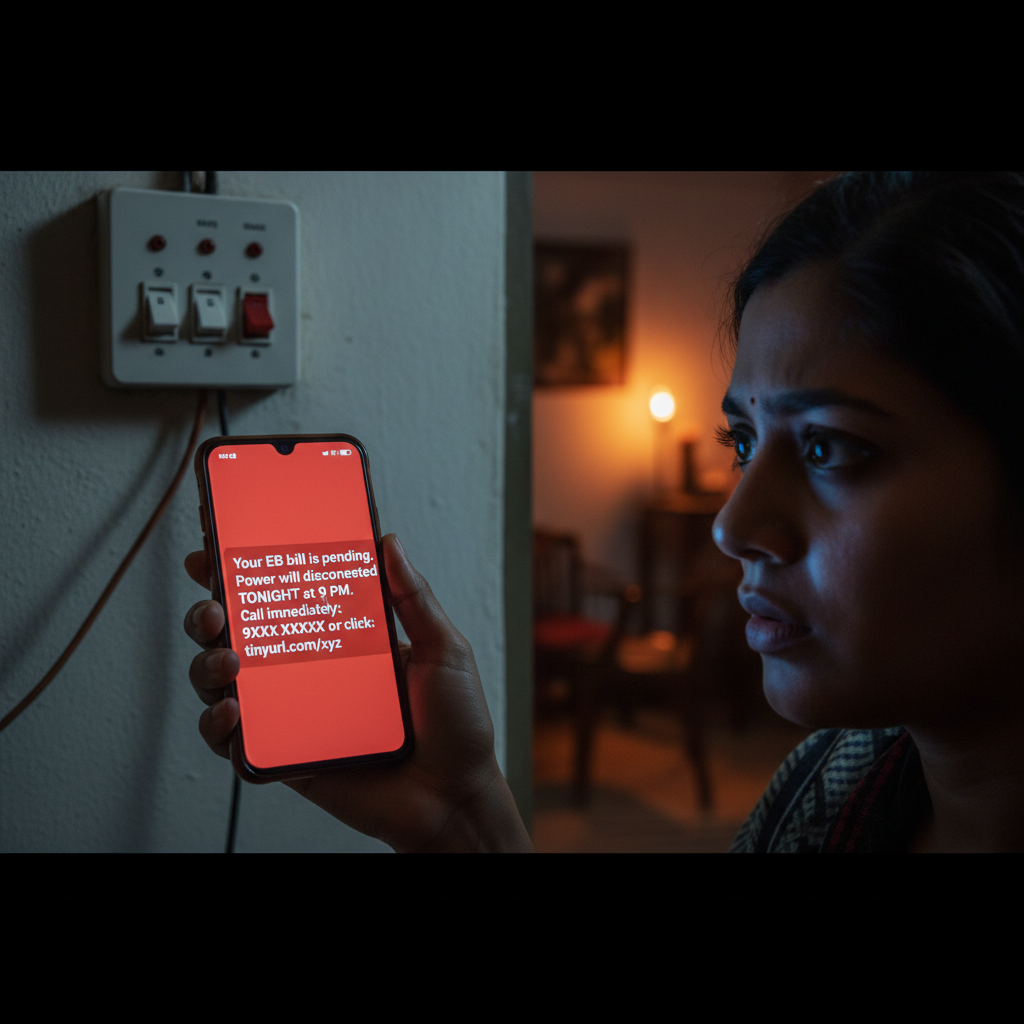
SMS says electricity cut tonight, click to pay, is it real - what to do?
Fraudsters are sending urgent SMS messages claiming your electricity bill is due and will be disconnected tonight. These messages often include a malicious link designed to steal your personal and financial information, or trick you into making fraudulent payments. This scam is circulating widely in India and poses a high risk of financial loss.
How This Scam Works
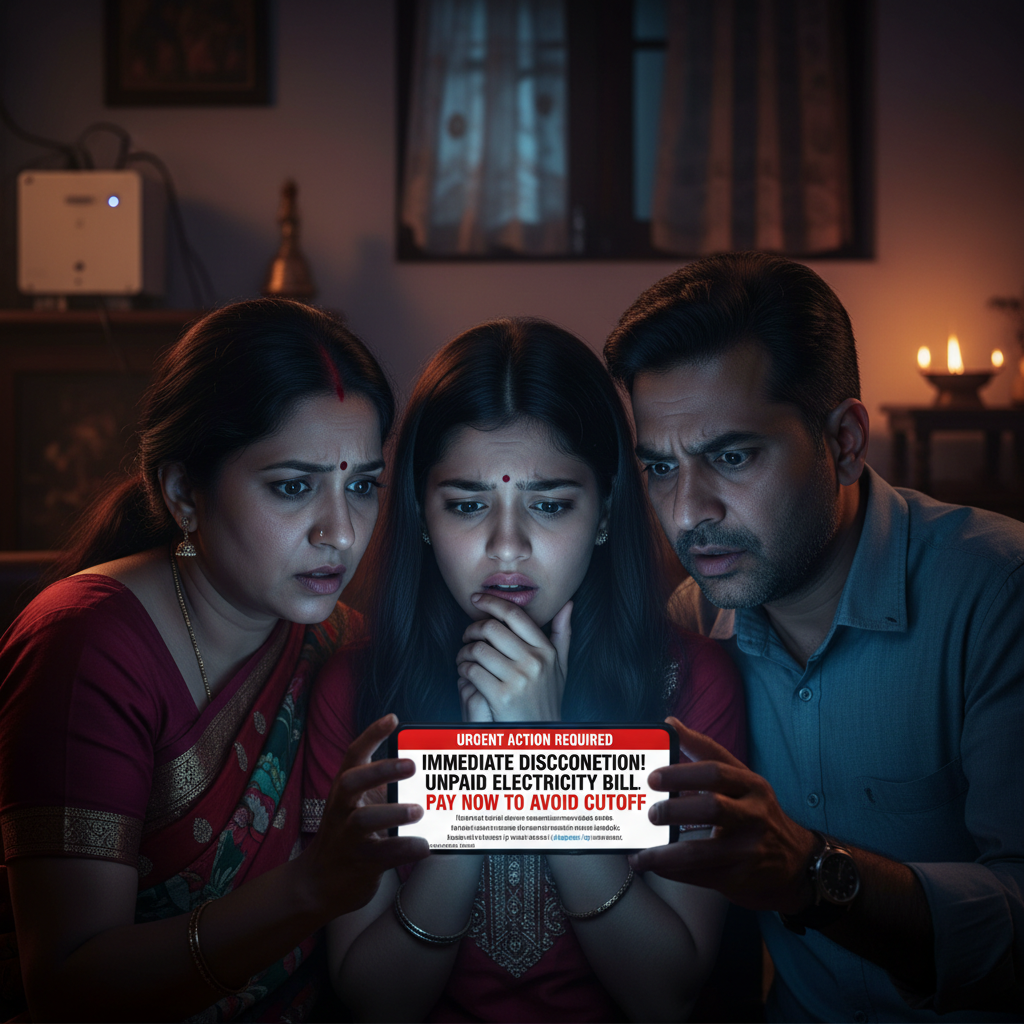
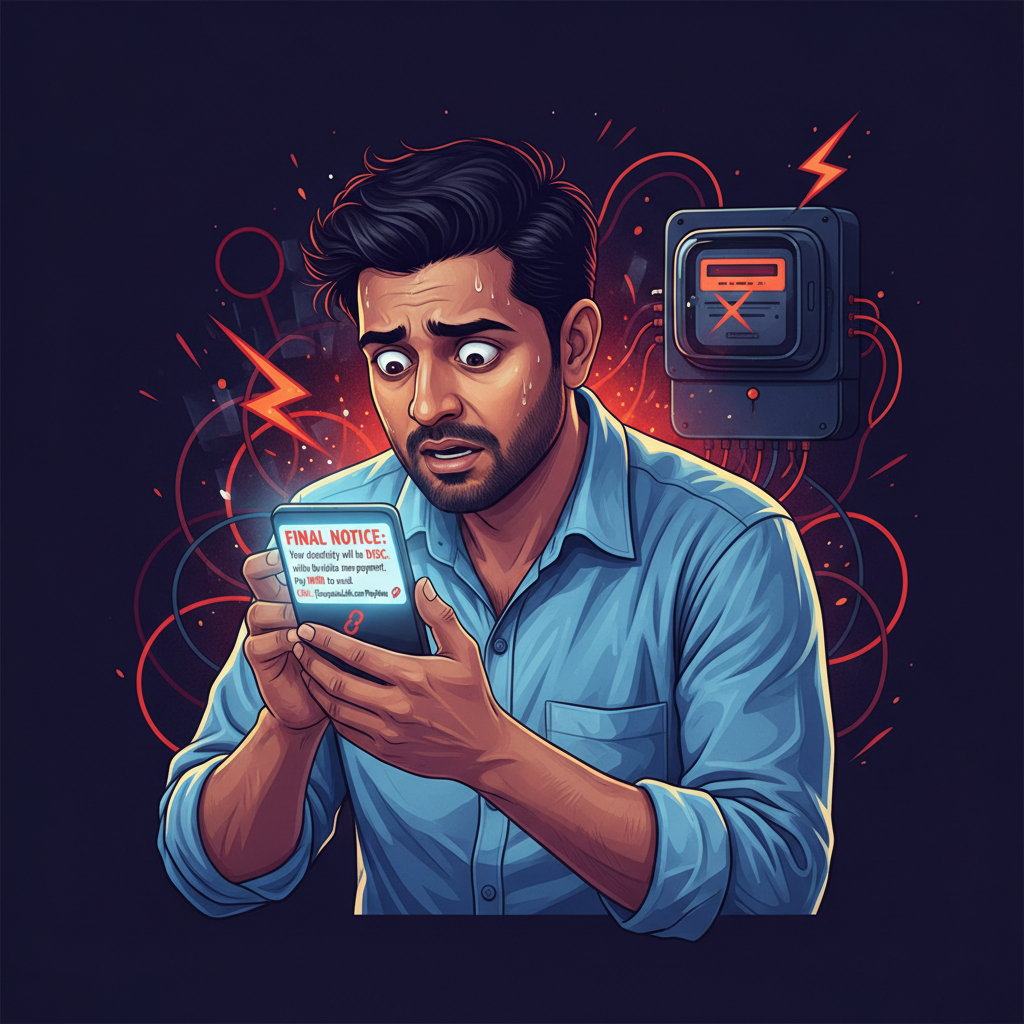
This insidious scam preys on urgency and fear, using a tactic known as "social engineering." You receive an SMS, often from an unknown or seemingly alphanumeric sender ID, stating that your electricity bill is overdue or has a problem, and service will be disconnected "tonight at 9 PM" or similar immediate threat. The message invariably includes a link, often shortened (like bit.ly or tinyurl), or an instruction to call a "helpline" number. If you click the link, you'll likely be redirected to a fake website designed to mimic your electricity board's official payment portal. This fraudulent site will look convincing, often incorporating logos and official-looking graphics. Here, you'll be prompted to enter sensitive information such as your customer ID, registered mobile number, email, and most critically, your UPI PIN, bank account details, or debit/credit card information. Once you enter these details, the scammers capture them, using them to drain your bank account or make unauthorized transactions. Alternatively, the scam might involve calling the "helpline" number provided. The "representative" on the other end will sound professional and empathetic, guiding you through a series of steps. They might ask you to download a remote access app (like AnyDesk or TeamViewer), ostensibly to "resolve the payment issue." Once installed, they gain full control of your device, access your banking apps, and transfer funds. They might also pressure you into making a small "test" payment, which is actually a fraudulent transaction, or even ask you to share OTPs (One-Time Passwords), claiming it's for verification, but in reality, it authorizes their transactions. The fear of losing electricity, especially in India where power cuts are a common concern, makes victims vulnerable to these sophisticated emotional manipulation tactics.
Red Flags
- Urgent & Threatening Language:** Messages using phrases like "your electricity will be disconnected tonight," "immediate payment required," or "action required now."
- Suspicious Sender IDs:** The SMS comes from an unknown mobile number (not your official electricity board's registered sender ID) or an alphanumeric string that doesn't look legitimate.
- Malicious Links:** A link is provided in the SMS, especially if it's a shortened URL (bit.ly, tinyurl, etc.), or if it leads to a website whose URL doesn't match your official electricity provider. Always check the domain name.
- Requests for Sensitive Information:** You are asked to share personal banking details, UPI PIN, OTPs, or to download remote access apps.
- Unofficial Payment Methods:** The scammer asks you to pay via unconventional methods not typically used by official utility providers, or provides UPI IDs that don't belong to the electricity board.
- No Prior Warning:** You haven't received any prior official communication (email, physical bill, or your electricity board's app notification) about an overdue bill.
How to Stay Safe
- Verify Independently:** Never trust an SMS or call purporting to be from your electricity board. Always independently verify your bill status and due date through official channels – your electricity board's official website, their customer care number (found on your last bill or official website), or their dedicated mobile app.
- Never Click Suspicious Links:** Do not click on any links in unexpected SMS messages, especially those related to bill payments. If you need to pay, manually type your electricity board's official website URL into your browser.
- Protect Your OTPs and PINs:** Never share your OTP, UPI PIN, bank account details, or debit/credit card numbers with anyone over the phone or through unverified websites. Official entities will never ask for your PIN or OTP to complete a payment *from* you.
- Beware of Remote Access Apps:** Do not download any remote access software (like AnyDesk, TeamViewer, QuickSupport) at the instruction of an unsolicited caller or message. This gives scammers full control over your device.
- Official Channels Only:** Only make payments through your electricity board's official website, their authorized mobile app, or trusted payment platforms like UPI apps (Google Pay, PhonePe, Paytm) where you initiate the payment to the *verified* biller.
- Report & Block:** Block the sender's number immediately. If you've received such a message, you can also report it to your service provider and potentially to cybercrime authorities.
If You Are Targeted
- Do Not Panic:** The first and most crucial step is to remain calm. Scammers thrive on creating panic.
- Stop All Communication:** Immediately disconnect the call or stop responding to the message. Do not interact further with the scammer.
- Change Passwords & Block Accounts:** If you have inadvertently shared any banking details, UPI PIN, or OTP, immediately contact your bank's helpline to report the fraud and block your accounts/cards. Change passwords for all online banking and payment apps.
- Report to Cybercrime:** File a complaint with the National Cybercrime Reporting Portal (cybercrime.gov.in) or call their helpline (1930). Provide all details, including the sender's number, message content, and any transaction details.
- Inform Your Electricity Board:** Notify your local electricity board about the scam attempts using their official customer care channels to help them issue public warnings.
- Scan Your Device:** If you downloaded any apps, immediately uninstall them and run a full antivirus scan on your device.
ScamGuard24 Insight
This electricity bill scam is highly effective because it leverages a universal necessity and adds a time-sensitive, fear-inducing element. The sophistication in replicating official communication channels makes these attacks particularly dangerous for everyday citizens who may not be well-versed in digital security.
Suspect a scam right now?
Open ScamGuard24 ScannerRecommended protection tools
AffiliateWe may earn a small commission if you sign up — it never changes our editorial picks.
India's most trusted antivirus. Blocks malicious APKs, UPI phishing and fake banking apps.
Get Quick HealAll-in-one mobile security + VPN. Stops phishing links shared on WhatsApp and SMS.
Try Norton 360Stop reusing passwords. Auto-fills only on the real bank site, never on phishing pages.
Get NordPass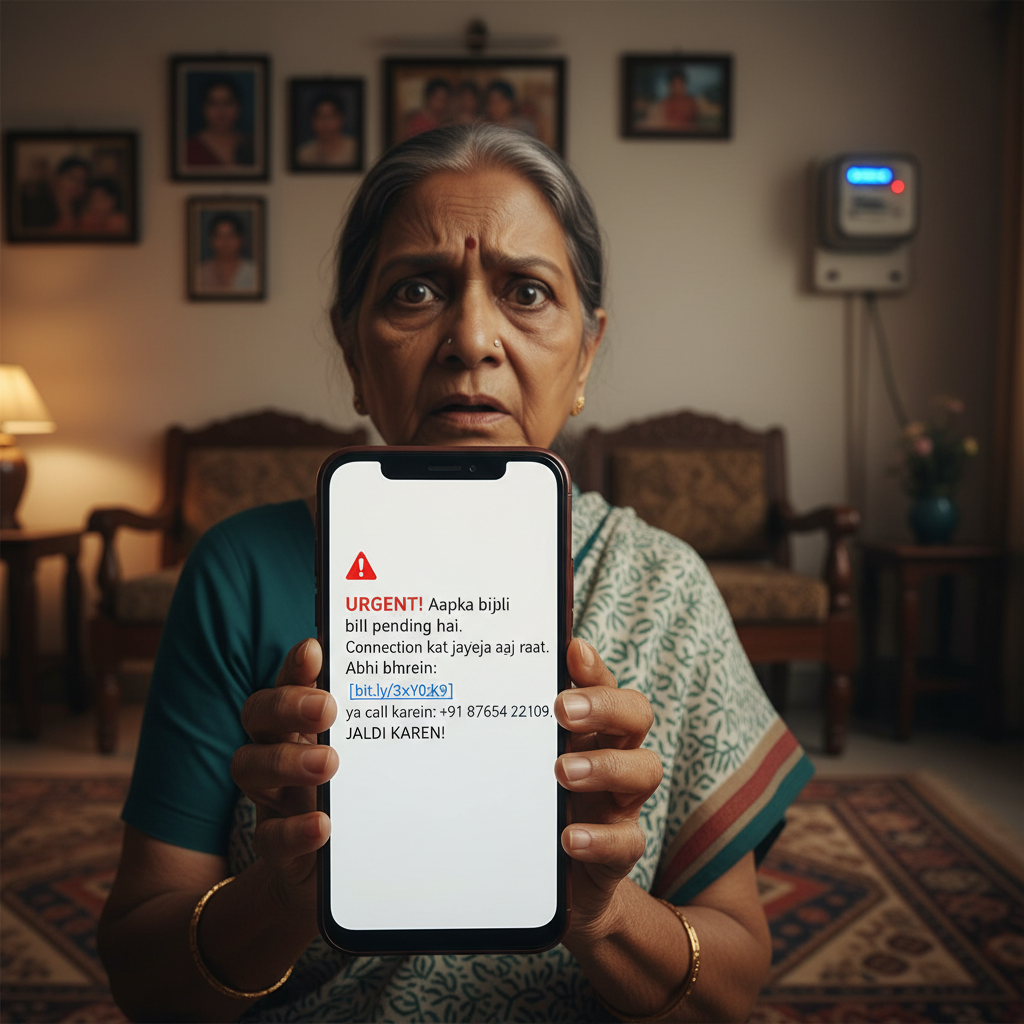
Comments
Be the first to comment.