
WhatsApp SEBI stock tips DMAT account scam – is it real?
Beware of fraudsters posing as SEBI-registered analysts on WhatsApp or Telegram, promising guaranteed high returns from exclusive stock tips. They lure victims into opening fraudulent DMAT accounts through malicious apps or websites, ultimately stealing their investments.
How This Scam Works
This insidious scam preys on the aspirations of individuals looking to grow their wealth through stock market investments, often targeting those new to trading or seeking quick returns. It typically begins with an unsolicited message on platforms like WhatsApp or Telegram. The scammer, often using a seemingly professional profile picture and a name that sounds legitimate, will introduce themselves as a "SEBI-registered analyst" or part of an "exclusive investment group." They might claim to have insider information or a proprietary algorithm that guarantees high returns. The initial approach is often subtle. You might be added to a group chat where others (likely fellow scammers or bots) share fabricated success stories and "profits." The administrator, the supposed analyst, will then start sharing a few "free" tips that might coincidentally show positive movement, building false trust. Once trust is established, they'll pressure you to join their "premium" service, which requires a minimum investment, often ranging from ₹10,000 to ₹25,000, promising "guaranteed" daily or weekly returns of 20-50% – figures that are wildly unrealistic in legitimate stock trading. The crucial next step involves directing you away from legitimate trading platforms. Instead of asking you to invest through your existing, regulated DMAT account with a recognized broker, they will insist you open a new DMAT account through a link they provide. This link leads to a malicious website or prompts you to download a fraudulent mobile application. This fake platform is meticulously designed to mimic real trading interfaces, complete with charts, live data feeds (which are entirely fabricated), and a 'portfolio' section that shows your 'investments' growing rapidly. You'll initially see your 'balance' increase, creating a false sense of security and encouraging you to invest more. You'll be asked to transfer funds via UPI, bank transfer, or sometimes even crypto, directly to accounts controlled by the scammers. When you try to withdraw your "profits" or initial investment, the real trap springs. You'll be met with various excuses: "KYC verification issues," "withdrawal fees," "tax payments," or "regulatory hurdles," each requiring you to deposit more money. Ultimately, neither your initial investment nor your supposed profits are real, and all the money you transferred goes directly into the scammers' pockets. The fake DMAT account is just an illusion to trick you into transferring funds.
Red Flags
- Unsolicited Messages:** Any message from an unknown number on WhatsApp or Telegram offering investment advice or "guaranteed" returns is a major red flag. Legitimate SEBI-registered advisors do not typically solicit clients this way.
- Guaranteed High Returns:** No legitimate investment, especially in the stock market, can guarantee high returns. The market is inherently volatile. Promises of 20-50% daily or weekly returns are impossible and a clear sign of a scam.
- Exclusive or Secret Tips:** Beware of claims about "insider information," "exclusive calls," or "secret algorithms." Legitimate advisors work within regulatory frameworks and do not deal in such illicit practices.
- Insistence on New DMAT Account (from their link):** If they push you to open a new DMAT account via a specific link or app *they provide*, instead of guiding you to established, SEBI-regulated brokers like Zerodha, Upstox, or ICICI Direct, it's a scam.
- Malicious Apps/Websites:** Scrutinize any app they ask you to download or website they direct you to. Check for poor grammar, unprofessional design, and mismatched URLs. Always verify the domain name on SEBI's official website or a reputable search engine.
- Pressure to Invest More for Withdrawals:** If you're asked to pay "withdrawal fees," "taxes," or "commissions" to access your "profits," especially via separate UPI or bank transfers, it's a classic scam tactic.
- Payment via Unconventional Methods:** Legitimate investment platforms use secure, regulated payment gateways. If they ask you to transfer money directly to personal bank accounts, UPI IDs, or through cryptocurrency, be highly suspicious.
How to Stay Safe
- Verify SEBI Registration:** Always verify the SEBI registration of any individual or entity claiming to be an investment advisor. Use the official SEBI website (sebi.gov.in) to cross-check their registration number and details. If they're not listed, they're not legitimate.
- Only Use Reputable Brokers:** Open DMAT and trading accounts only with well-known, SEBI-regulated stockbrokers. Never use links or apps provided by unknown individuals. Always download apps from official app stores (Google Play Store, Apple App Store) and verify the developer.
- Be Skeptical of Unsolicited Advice:** Treat any unsolicited investment advice on social media with extreme caution. Genuine financial advisors generally require an official consultation process.
- Understand Investment Risks:** Educate yourself on the basics of stock market investing and understand that all investments carry risk. If an offer sounds too good to be true, it almost certainly is.
- Never Share Sensitive Information:** Do not share your bank account details, UPI PIN, OTPs, Aadhaar number, or other personal financial information with anyone online, especially those promising high returns.
- Report Suspicious Activity:** If you encounter such a scam attempt, report the sender and the group on WhatsApp/Telegram. Block the number immediately.
If You Are Targeted
- Stop All Communication:** Immediately cease all contact with the scammer and block their number on WhatsApp, Telegram, and any other platform. Do not engage further, even if they threaten or try to persuade you.
- Do Not Invest Further:** Under no circumstances should you transfer more money, regardless of the promises of "unlocking profits" or "paying taxes." Any money you send will be lost.
- Gather Evidence:** Collect all possible evidence, including screenshots of chat conversations, transaction details (UPI IDs, bank account numbers where you sent money), website links, and names used by the scammers.
- File a Police Complaint:** File a detailed complaint with the cybercrime division of the Indian Police. You can do this online through the National Cybercrime Reporting Portal (cybercrime.gov.in) or by visiting your local police station. Provide all the evidence you've gathered.
- Inform Your Bank:** Contact your bank immediately to report the fraudulent transactions. While recovering funds can be challenging, reporting quickly increases the slim chance of intervention, especially if the funds haven't been fully disbursed by the recipient's bank.
- Alert SEBI:** Report the fake advisory and DMAT account scheme to SEBI. This helps them track and potentially take action against such fraudulent entities, protecting other potential victims.
ScamGuard24 Insight
This scam leverages social engineering and sophisticated fake platforms to exploit financial aspirations. The key to its success lies in building false trust and creating an illusion of profit, making victims believe their money is genuinely invested when it has already been stolen. Always cross-verify claims with official regulatory bodies and prioritize skepticism over the allure of quick riches.
Suspect a scam right now?
Open ScamGuard24 ScannerRecommended protection tools
AffiliateWe may earn a small commission if you sign up — it never changes our editorial picks.
India's most trusted antivirus. Blocks malicious APKs, UPI phishing and fake banking apps.
Get Quick HealAll-in-one mobile security + VPN. Stops phishing links shared on WhatsApp and SMS.
Try Norton 360Stop reusing passwords. Auto-fills only on the real bank site, never on phishing pages.
Get NordPassRelated alerts
 HIGH RISK
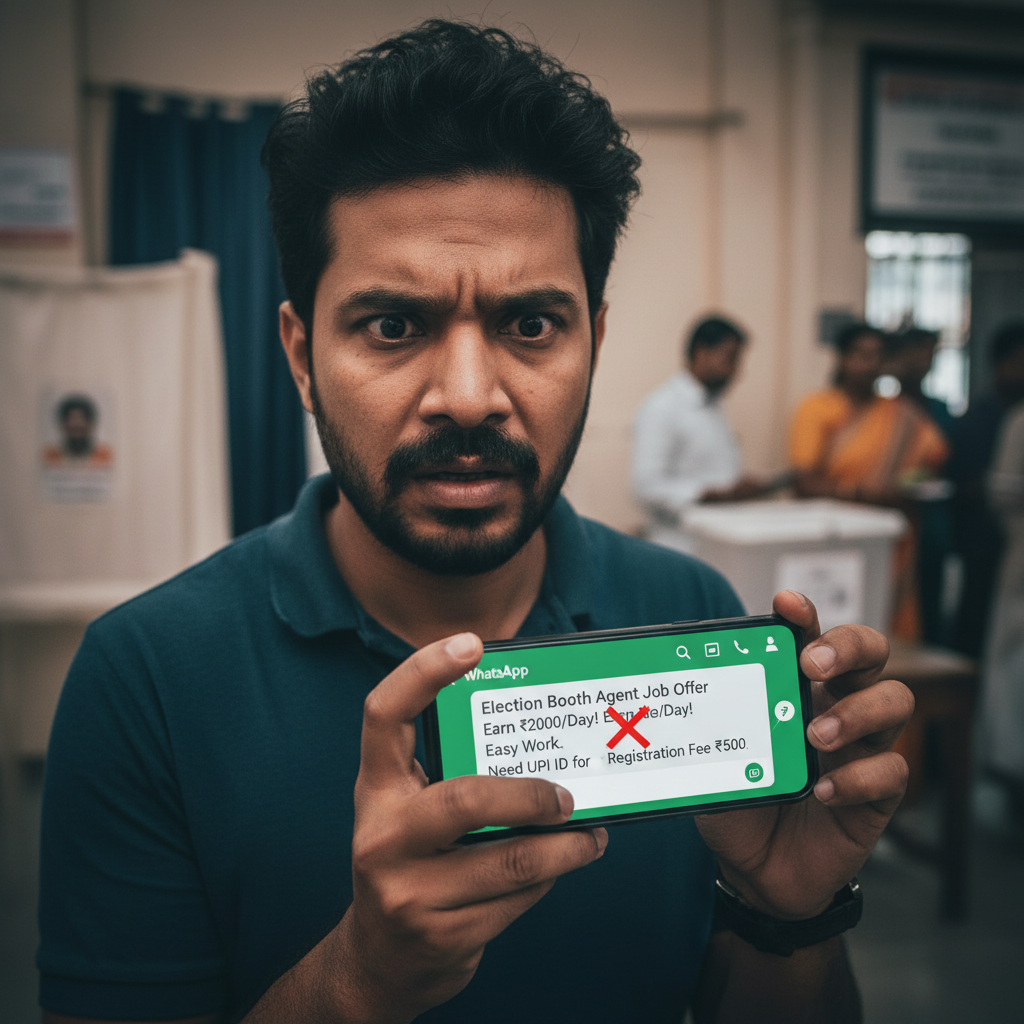
WhatsApp Election Booth Agent job real or fake — how to check?
 HIGH RISK
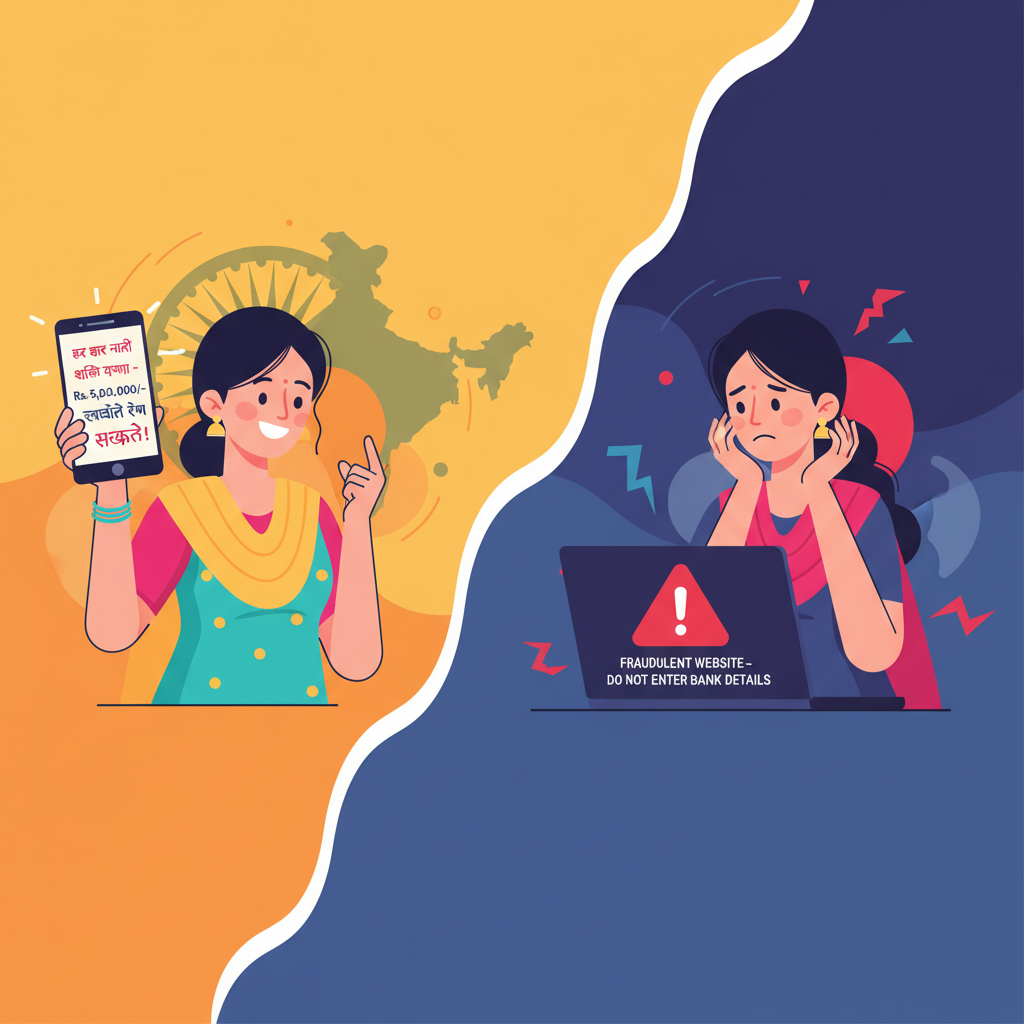
WhatsApp Ghar Ghar Nari Shakti loan is fake? What to do
 HIGH RISK
Comments
Be the first to comment.