WhatsApp Iran War Charity UPI Scam — is it real, what to do about strange requests?
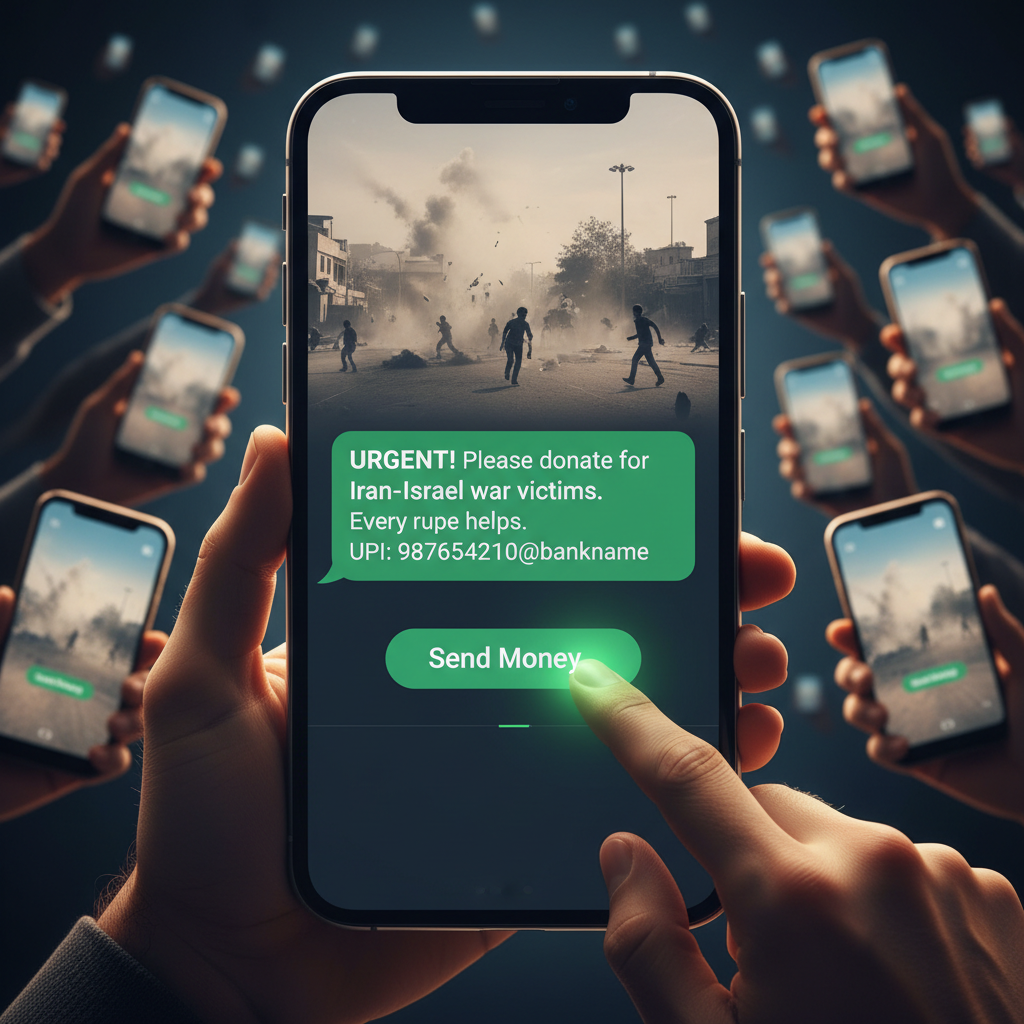
Fraudsters are exploiting current geopolitical events to solicit donations for a fake "Iran-Israel war" charity. They're using WhatsApp and Instagram to spread compelling but false stories, asking for UPI contributions to personal accounts. This High-risk scam preys on your empathy, potentially draining your hard-earned money.
How This Scam Works
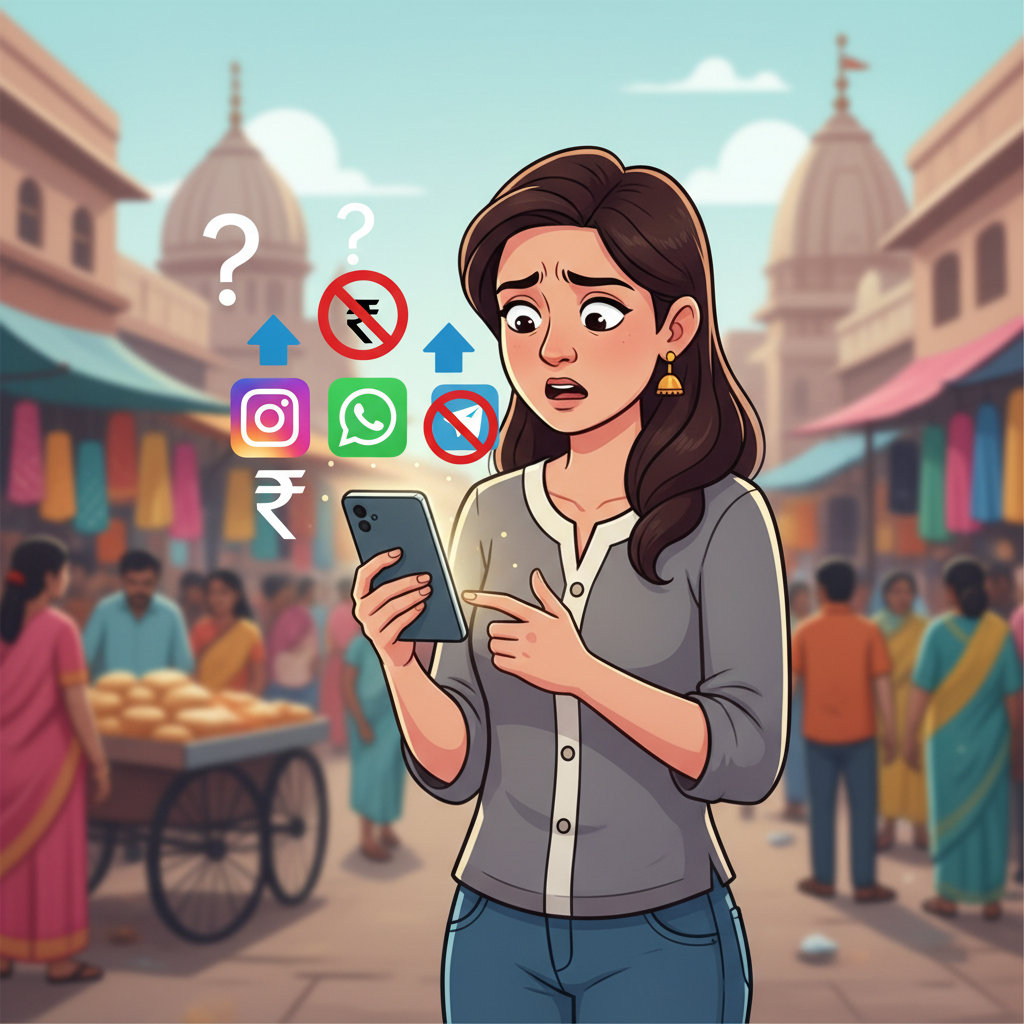
In the wake of ongoing international conflicts, scammers are quick to capitalize on public sentiment and a desire to help. This particular scam leverages the sensitive situation between Iran and Israel. You might receive a WhatsApp forward, a compelling Instagram post, or even a direct message. These messages often feature evocative, emotional language, describing the plight of "displaced families and children" caught in a fictional "Iran-Israel war." They often include genuinely disturbing photos or short videos, carefully curated from unrelated real-world events or even fabricated. The message will then make an urgent plea for financial assistance, specifically requesting donations via UPI. They might claim that traditional international aid channels are too slow or bureaucratic, and direct contributions are the only way to make an immediate impact. The crucial red flag here is that they will provide a personal UPI ID (like *name@upi* or *phonepe@ybl*) rather than a registered, verifiable charity's account. They might even offer "proof" of their legitimacy, such as forged documents or screenshots, which are easily faked. These scammers play on your emotions, creating a sense of urgency and guilt to bypass logical scrutiny. Once you transfer funds to their personal UPI ID, the money is almost impossible to recover. They can quickly withdraw it, often using multiple layers of transactions to obscure their tracks. Since these are private transactions to individuals, not registered charities, there's no accountability or record of where your money actually went, other than directly into the scammer's pocket. They may even follow up with additional requests for more money, claiming "administrative charges" or "logistics fees."
Red Flags
- Requests for UPI to Personal IDs:** Legitimate charities or aid organizations will *never* ask for donations to a personal UPI ID, bank account, or through person-to-person money transfer apps. They will have official, registered accounts, often with specific payment gateways.
- Unsolicited Messages with Emotional Appeals:** Be wary of unsolicited forwards on WhatsApp or social media posts (especially from unknown accounts on Instagram) that use highly emotional language and graphic images to solicit immediate donations.
- Fictional or Misleading Conflict Details:** The scam explicitly mentions an "Iran-Israel war," which is not the current geopolitical situation. Scammers often fabricate details or conflate different conflicts to create a sense of urgency and confusion. Always fact-check the premise.
- Pressure to Act Immediately:** Scammers often create a false sense of urgency ("help needed now!", "limited time to donate!") to prevent you from doing your due diligence and verifying their claims.
- Lack of Official Charity Registration:** The messages will lack any mention of a registered charity name, registration number, or official website where you can verify their legitimacy.
- Poor Grammar and Spelling:** While not always present, watch out for grammatical errors, awkward phrasing, or unusual sentence structures, which can be indicators of a scam.
How to Stay Safe
- Verify, Verify, Verify:** Before donating to any cause, always verify the legitimacy of the organization. Look for official websites, verify their registration with government bodies (like the Ministry of Corporate Affairs for NGOs in India), and check their track record.
- Donate to Reputable Organizations Only:** Stick to well-known, established charities that have a transparent record of their work. Organizations like UNICEF, Doctors Without Borders, or the Indian Red Cross have official, secure donation channels.
- Never Use Personal UPI IDs for Charity:** Absolutely avoid sending money to personal UPI IDs or bank accounts for charitable purposes. No legitimate charity operates this way.
- Fact-Check the Information:** Use reliable news sources to understand current events. If a message claims a conflict exists that you haven't heard about from reputable news channels, it's likely a fabrication.
- Report Suspicious Messages:** If you receive such a message on WhatsApp or Instagram, report the sender and the message content to the platform administrators.
- Educate Friends and Family:** Share this information with your loved ones, especially those who might be more susceptible to emotional appeals.
- Guard Your Personal Information:** Never share your personal details, Aadhaar number, or banking information in response to such requests.
If You Are Targeted
- Do Not Transfer Funds:** The absolute first step is to *not* send any money. Once transferred via UPI, especially to a personal account, it is extremely difficult to recover.
- Block and Report:** Immediately block the sender on WhatsApp or the user on Instagram. Report the message/post to the respective platform.
- Collect Evidence:** Take screenshots of the messages, the UPI ID, and any other details shared by the scammer. This evidence will be crucial if you decide to file a complaint.
- Report to Cybercrime.gov.in:** Even if you didn't lose money, report the attempt to the Indian Cybercrime Portal at www.cybercrime.gov.in or call their helpline at 1930. This helps authorities track scam patterns.
- Inform Your Bank:** If you accidentally made a transaction, immediately contact your bank's fraud department. While recovery is unlikely, they can sometimes assist in blocking further related transactions or providing guidance.
- Warn Others:** Post a warning on your social media (without revealing personal details) to alert your network about this specific scam pattern.
ScamGuard24 Insight
Scammers are adept at exploiting human empathy and current events. This particular scam is highly effective because it combines emotional manipulation with the perceived legitimacy of UPI, making it dangerous for individuals who genuinely want to help. Always remember that legitimate aid organizations have transparent, verifiable donation processes, and personal UPI transfers for charity are a universal red flag.
Suspect a scam right now?
Open ScamGuard24 ScannerRecommended protection tools
AffiliateWe may earn a small commission if you sign up — it never changes our editorial picks.
India's most trusted antivirus. Blocks malicious APKs, UPI phishing and fake banking apps.
Get Quick HealAll-in-one mobile security + VPN. Stops phishing links shared on WhatsApp and SMS.
Try Norton 360Stop reusing passwords. Auto-fills only on the real bank site, never on phishing pages.
Get NordPassRelated alerts
 HIGH RISK
WhatsApp ‘Iran War Help’ UPI Donation Messages – Is It Real or Scam? What to Do.
WhatsApp forward Iran-Israel war charity plea Indian UPI — is it real?
 HIGH RISK
Comments
Be the first to comment.