
RBI call for Iran-linked transactions & account freeze in 1 hour — is it real, what to do?
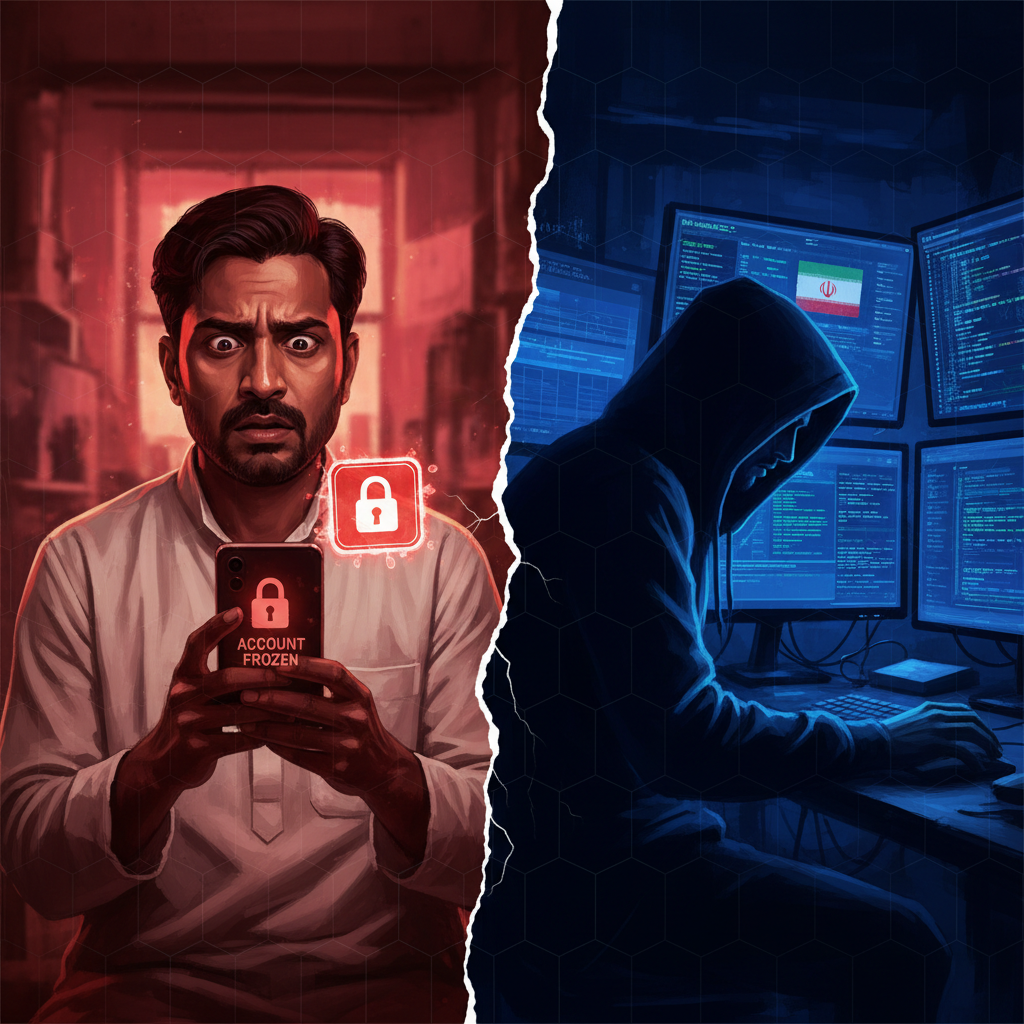
A new breed of 'Digital Arrest' scam is targeting Indians, using fear and urgency. Scammers impersonate RBI officials, claiming your bank account has suspicious Iran-linked transactions and will be frozen unless you "verify" details on a fraudulent link. This is a dangerous tactic designed to steal your financial information.
How This Scam Works
This scam leverages a sophisticated mix of social engineering and fear-mongering to push victims into immediate action. It typically begins with an unsolicited phone call, where the caller identifies themselves as an official from the Reserve Bank of India (RBI) or sometimes even a prominent Indian bank like SBI or HDFC. The phone number displayed caller ID may even be spoofed to appear legitimate, adding to the deception. The core of the scam revolves around a fabricated threat regarding "suspicious Iran-linked transactions" detected in your bank account. The caller often uses intimidating language, stating that these transactions are illegal or violate international sanctions, and that your account is at risk of imminent freezing – often within a very short timeframe, like “1 hour” or “30 minutes.” This creates immense pressure and panic, making victims less likely to think critically. To "resolve" this fabricated issue and prevent the account freeze, the scammer will then direct the victim to a fraudulent website or a phishing link sent via SMS or WhatsApp. This link often mimics a genuine banking portal or an RBI verification page. The victim is then coerced into entering sensitive personal and financial information, such as their full name, date of birth, Aadhaar number, PAN details, bank account number, debit/credit card details (including CVV), and most critically, OTPs (One-Time Passwords). In some variations, the scammer might even try to convince the victim to download a remote desktop access application (like AnyDesk or TeamViewer) under the guise of "technical support" to help verify the transactions. Once installed, these tools give the scammer complete control over the victim's device, allowing them to access banking apps, transfer funds, or steal data directly. The urgency instilled by the "account freeze" threat is a key psychological manipulation tactic that bypasses rational decision-making, leading victims to compromise their security out of fear of losing access to their life savings.
Red Flags
- Unsolicited Calls from "RBI/Bank Officials" with Urgent Threats:** The RBI or any legitimate bank will *never* call you to threaten an immediate account freeze over "suspicious transactions" and demand immediate action via a link.
- Demands for Personal/Financial Information Over Call/Link:** Legitimate institutions will not ask for your full banking details, ATM PIN, CVV, or OTP over the phone or through a link provided during an unsolicited call.
- Pressure to Act Immediately:** Any call demanding you "verify" information or your account will be frozen in minutes/hours if you don't comply is a major red flag. Scammers thrive on panic.
- Mention of "Iran-Linked Transactions" or Sanctions:** This is a specific, fabricated detail designed to sound serious and intimidating. While global finance involves regulations, these issues are not resolved by impromptu phone calls from unknown numbers asking for your OTP.
- Requests to Download Unknown Apps or Click Suspicious Links:** Never download software or click on links sent by unverified callers. These can install malware or lead to phishing sites designed to steal your credentials.
- Caller Insists on Keeping the Call Secret:** Scammers often tell victims not to discuss the call with family or bank staff, knowing that others might expose their fraud.
How to Stay Safe
- Verify, Don't Trust:** If you receive such a call, *DO NOT* engage with the caller. Disconnect immediately. If concerned, independently contact your bank's official customer service number (found on their website or your passbook, not provided by the caller) or the official RBI helpline to inquire.
- Never Share Sensitive Information:** Absolutely never share your OTP, UPI PIN, ATM PIN, CVV, internet banking password, or any complete banking details (like full card number) with anyone over the phone, SMS, or email, regardless of who they claim to be.
- Be Skeptical of Urgency:** Legitimate financial institutions provide formal notices and proper channels for resolving complex issues. They do not resort to high-pressure tactics over unsolicited phone calls.
- Watch Out for Spoofed Numbers:** Call ID can be faked. Even if the number appears to be from your bank or RBI, it could be a scammer. Trust the official channels for verification.
- Educate Yourself and Your Family:** Share this information with elders and anyone who might be vulnerable. Awareness is your best defense.
- Report Suspicious Calls:** If you receive such a call, report it immediately to the National Cybercrime Helpline (1930) and file a complaint on www.cybercrime.gov.in.
If You Are Targeted
- Do Not Panic:** The primary goal of the scammer is to incite panic. Take a deep breath and do not follow any instructions given by the caller.
- Disconnect the Call Immediately:** Do not engage further. The longer you talk, the more opportunities they have to manipulate you.
- Do Not Click on Any Links or Download Anything:** Even if the call abruptly ends, do not interact with any links or apps they may have mentioned.
- Contact Your Bank:** Immediately call your bank's official customer care number (from your bank's official website or passbook) and inform them of the suspicious activity. They can help you monitor your account for any unauthorized transactions.
- Change All Relevant Passwords:** If you, by any chance, provided any credentials or felt compromised, change your internet banking, UPI, and other financial application passwords immediately.
- Report to Cybercrime Authorities:** File a complaint with the National Cybercrime Reporting Portal (www.cybercrime.gov.in) and call 1930. Provide all details of the call, including the number if visible.
ScamGuard24 Insight
This Iran-Linked Bank Freeze Scam represents a dangerous evolution in 'Digital Arrest' tactics, combining a plausible, fear-inducing narrative with urgent demands for sensitive data. Its success hinges on exploiting a victim's natural instinct to protect their finances and the general public's respect for government bodies like the RBI. Indian citizens must recognize that no legitimate regulatory or banking authority will ever demand confidential financial information or threaten immediate account suspension via an unsolicited phone call.
Suspect a scam right now?
Open ScamGuard24 ScannerRecommended protection tools
AffiliateWe may earn a small commission if you sign up — it never changes our editorial picks.
India's most trusted antivirus. Blocks malicious APKs, UPI phishing and fake banking apps.
Get Quick HealAll-in-one mobile security + VPN. Stops phishing links shared on WhatsApp and SMS.
Try Norton 360Stop reusing passwords. Auto-fills only on the real bank site, never on phishing pages.
Get NordPassRelated alerts
 HIGH RISK
RBI call Iran transactions scam India – account frozen? What to do
 HIGH RISK
RBI bank account frozen for Iran transactions call India – what to do?
 HIGH RISK
Comments
Be the first to comment.