
RBI bank account frozen for Iran transactions call India – what to do?
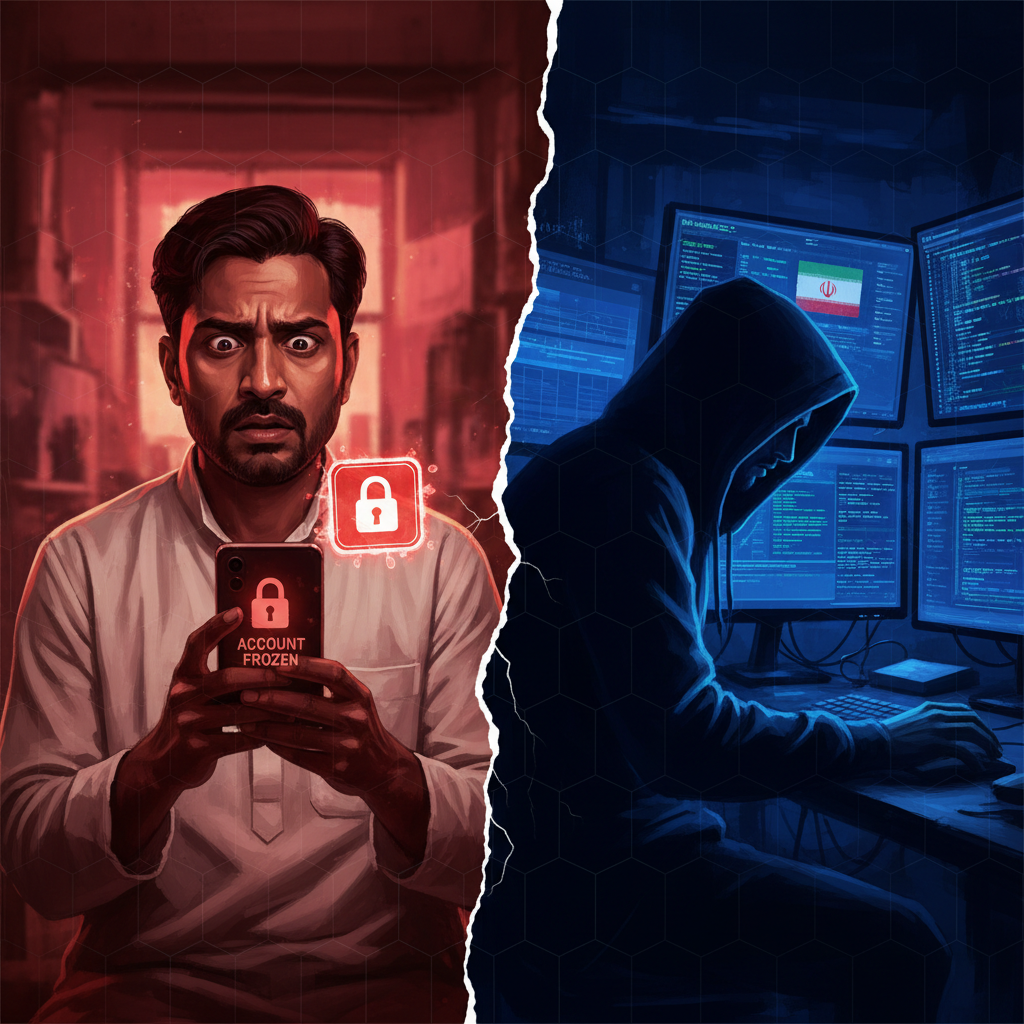
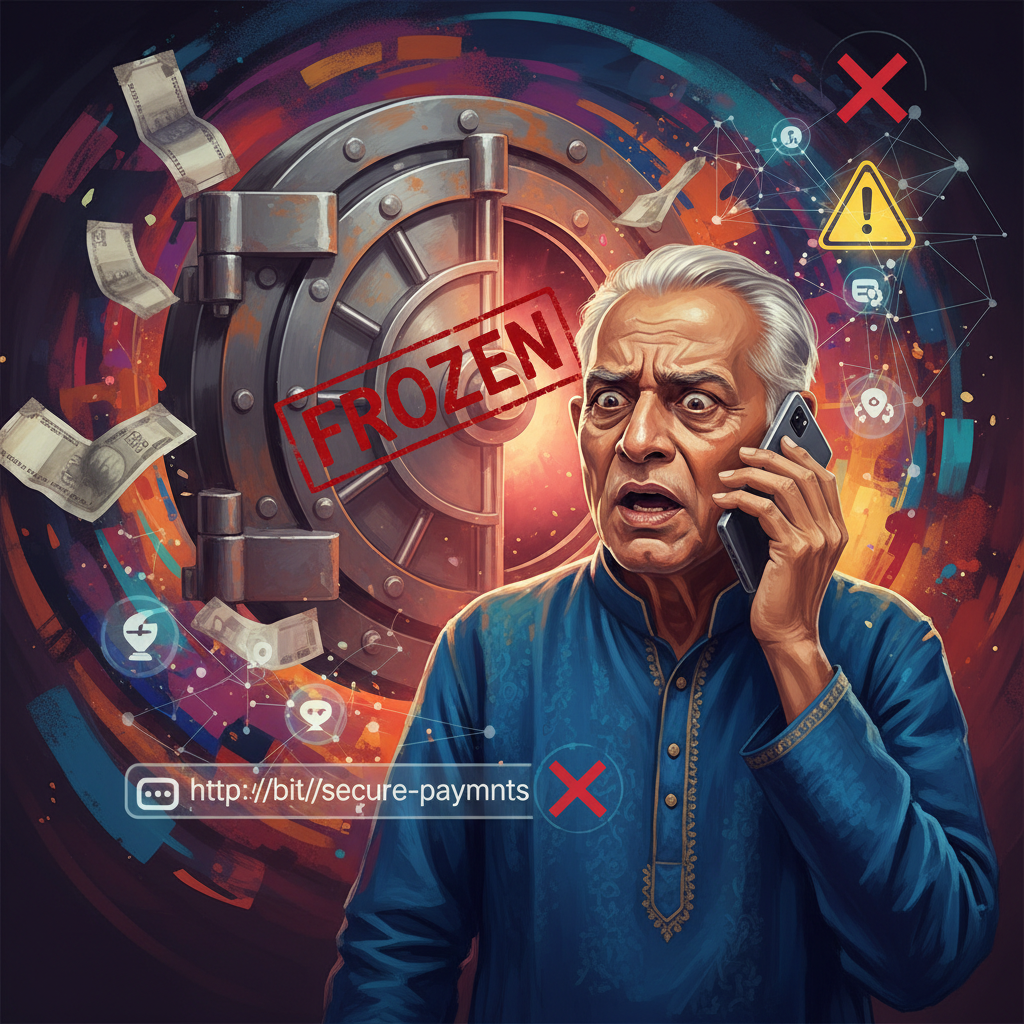
Be warned! A new, high-risk "Digital Arrest" scam is targeting Indians. Fraudsters are impersonating RBI officials, claiming your bank account has suspicious links to Iran, and demanding immediate action via a malicious link or face an account freeze within an hour. This is a sophisticated phishing attempt designed to panic you into revealing sensitive information.
How This Scam Works
This scam leverages a combination of fear, urgency, and misinformation to trick victims. It typically begins with a phone call, often from a number that might appear legitimate due to spoofing techniques. The caller, speaking with authority and confidence, identifies themselves as an official from the Reserve Bank of India (RBI) or sometimes even your specific bank. The core of their deceptive narrative is that your bank account has been flagged for "suspicious transactions" linked to Iran-based entities. They might mention international money laundering, sanctions violations, or even terrorism financing – all designed to instill immediate panic. The scammers will then claim that due to these supposed irregularities, your account is scheduled to be frozen, often within a very tight deadline, such as "one hour" or "tonight." To "resolve" this fabricated issue and prevent the account freeze, they will instruct you to click on a link they will send via SMS or WhatsApp, or sometimes verbally provide a website. This link is invariably a phishing site, carefully designed to mimic official banking portals or government websites. Once you click on it, you will be prompted to enter sensitive personal and financial details – your net banking ID and password, debit card details (card number, expiry, CVV), OTPs, or even Aadhaar and PAN numbers. In some variations, they might ask you to download a remote access application, claiming it's for "secure verification" or "technical assistance." This grants them direct control over your device, allowing them to access your banking apps, initiate transactions, and steal your funds. The entire process is orchestrated to create maximum stress, preventing you from thinking clearly or verifying the information. They rely on the victim's fear of losing their hard-earned money and the perceived authority of the RBI to bypass critical thinking.
Red Flags
- Unsolicited Calls Claiming RBI Affiliation:** The RBI *never* contacts individuals directly for personal banking details or to issue threats about account freezes. Likewise, legitimate banks do not threaten immediate account closure over the phone without prior official communication.
- Threat of Immediate Account Freeze or Digital Arrest:** Any call that threatens to freeze your account within minutes or hours, especially without previous official notifications (like letters or secure messages), is a scam. Legitimate actions by banks involve proper procedures and timeframes.
- Requests for Personal/Financial Information Over Phone/SMS Link:** Neither the RBI nor your bank will ever ask for your full net banking credentials, ATM PIN, CVV, or full OTP over the phone, email, or through an embedded link.
- Instructions to Click on Links from Unknown Sources:** Any SMS or WhatsApp message containing a link from an unverified number, especially one received during a suspicious call, is a major red flag for a phishing attempt.
- Urgency and Pressure Tactics:** Scammers always use urgency ("do it now or lose everything!") to bypass your rationality. If a caller is pressuring you to act immediately without giving you time to think or verify, it's a scam.
- Mention of International Transactions or Sanctioned Countries:** While true sanctions exist, fraudsters exploit public awareness of such events to create a believable, yet false, narrative to scare you.
How to Stay Safe
- Verify, Don't Trust:** If you receive such a call, *immediately disconnect*. Do not engage. If you are concerned, call your bank's official customer service number (from their official website or bank passbook, *not* from a number given by the caller) or visit your nearest branch to inquire.
- Never Share Sensitive Information:** Absolutely never share your bank account details, UPI PIN, OTPs, debit/credit card numbers, CVV, expiry dates, or internet banking passwords with anyone over the phone, email, or through suspicious links.
- Beware of Links:** Do not click on any suspicious links received via SMS, WhatsApp, or email, especially during or after a threatening phone call. These are phishing attempts designed to steal your credentials.
- RBI Does Not Conduct Such Activities:** Remember, the Reserve Bank of India (RBI) *never* collects personal banking information from individuals, sends threatening messages, or asks for money/account details for any reason.
- Install Antivirus/Security Software:** Keep your smartphone and computer protected with up-to-date antivirus and anti-malware software to detect and prevent malicious links or downloads.
- Educate Yourself and Your Family:** Share this information with friends and family, especially senior citizens, as they are often targeted by such sophisticated scams.
If You Are Targeted
- Do Not Panic, Do Not Engage:** If you realize it's a scam while on the call, politely but firmly disconnect. Do not argue or provide any information.
- Block the Number:** Immediately block the scammer's phone number to prevent further harassment.
- Report to Your Bank:** Inform your bank about the attempted fraud, even if no money was lost. They can monitor your account for suspicious activity.
- Report to Cybercrime India:** File a complaint immediately on the National Cybercrime Reporting Portal at www.cybercrime.gov.in or call their helpline at 1930. Provide all details of the call, including the number and the scammer's narrative.
- Change Passwords (If Compromised):** If you, unfortunately, clicked on a link and entered any credentials, immediately change all affected passwords (net banking, email, UPI apps) from a secure device, and enable two-factor authentication wherever possible.
- Monitor Your Bank Statements:** Regularly check your bank statements and transaction history for any unauthorized transactions.
ScamGuard24 Insight
This "Digital Arrest" scam is particularly dangerous because it exploits geopolitical narratives and high authority figures like the RBI, creating immense psychological pressure. The sophisticated nature of the impersonation and the urgency instilled make it difficult for an average person to discern the fraud in the heat of the moment. Always remember that legitimate financial institutions operate with established protocols and will never resort to threats or demand immediate action over an unverified phone call.
Suspect a scam right now?
Open ScamGuard24 ScannerRecommended protection tools
AffiliateWe may earn a small commission if you sign up — it never changes our editorial picks.
India's most trusted antivirus. Blocks malicious APKs, UPI phishing and fake banking apps.
Get Quick HealAll-in-one mobile security + VPN. Stops phishing links shared on WhatsApp and SMS.
Try Norton 360Stop reusing passwords. Auto-fills only on the real bank site, never on phishing pages.
Get NordPassRelated alerts
 HIGH RISK
RBI call Iran transactions scam India – account frozen? What to do
 HIGH RISK
RBI call for Iran-linked transactions & account freeze in 1 hour — is it real, what to do?
 HIGH RISK
Comments
Be the first to comment.