
Fake Minister Investment Video on Facebook/YouTube - What to Do?
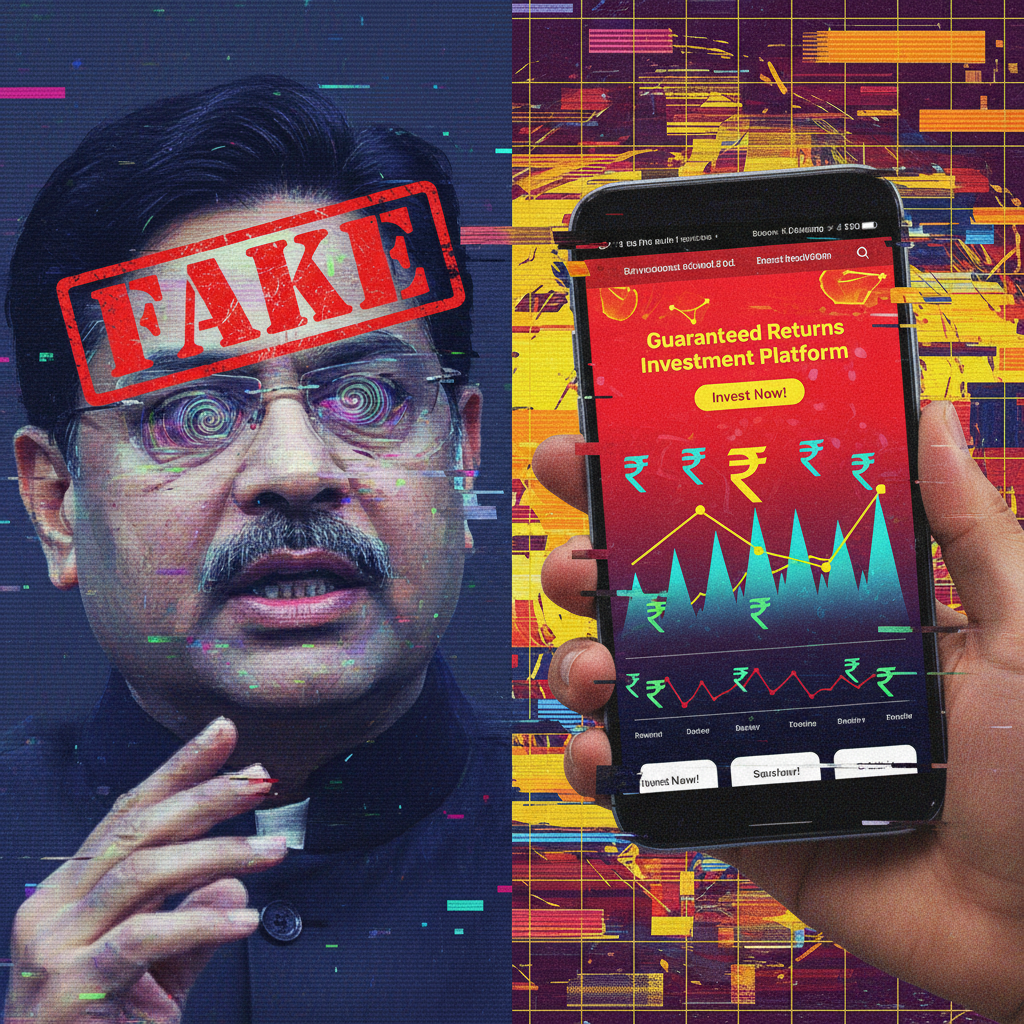
Be alert to deepfake videos circulating on social media showing prominent Indian ministers or industrialists endorsing investment platforms. These highly sophisticated AI-generated scams promise unrealistic returns, aiming to trick you into transferring your hard-earned money. Always be skeptical of celebrity endorsements for financial schemes, especially those guaranteeing high profits.
How This Scam Works
This is one of the most insidious and technologically advanced scams currently targeting Indian users. Scammers leverage sophisticated Artificial Intelligence (AI) and Machine Learning (ML) techniques to create "deepfake" videos. In these videos, they skillfully manipulate the face and voice of a well-known Indian minister, industrialist, or public figure. Imagine watching a video on your Facebook feed or scrolling through YouTube Shorts, and suddenly, a respected figure like a Union Minister or a leading industrialist appears, speaking directly to the camera. They passionately endorse a seemingly legitimate "investment platform" or "trading app," often using persuasive language to describe its "guaranteed" high returns or "revolutionary" financial technology. The videos are often meticulously crafted to appear authentic, featuring realistic facial expressions, lip-syncing, and even mimicking the public figure's speech patterns. They might be accompanied by official-looking graphics, news-style tickers, or even snippets of genuine news footage to lend an air of credibility. The scammers then disseminate these deepfake videos widely across popular social media platforms like Facebook and YouTube Shorts, targeting a broad audience. Once a viewer is intrigued by the deepfake endorsement, the video or accompanying posts will direct them to a fraudulent website, a messaging app group (like Telegram or WhatsApp), or ask them to download a fake investment application. To gain trust and encourage initial investment, the scammers might offer small, seemingly successful initial returns for a brief period. This is a classic "pump and dump" tactic, where victims are lured into investing larger sums. They might be asked to complete "KYC" procedures, demanding sensitive personal information such as Aadhaar details, PAN numbers, bank account information, and even OTPs, under the guise of regulatory compliance. Once a significant amount of money has been invested, or critical personal data has been compromised, the scammers will typically disappear. The "investment platform" will become inaccessible, the communication channels will shut down, and all contact with the fraudsters will cease. The victims are left with no recourse, having lost their money and potentially exposed their personal identity to further risks. This scam preys on trust in public figures and the desire for quick financial gains, making it extremely dangerous.
Red Flags
- Unrealistic Promises of Returns:** Any investment scheme, especially those endorsed by public figures, that guarantees exceptionally high and quick returns (e.g., "double your money in a month," "guaranteed 300% profit") is a major red flag. Real investments always carry risk.
- Deepfake / AI-Generated Endorsements:** Be extremely suspicious of videos, especially on social media, where a famous person (minister, celebrity, industrialist) is endorsing a specific investment platform. Scrutinize their facial expressions, voice, and lip movements – deepfakes often have subtle inconsistencies.
- Pressure to Act Quickly:** Scammers often create a sense of urgency, urging you to invest immediately to "not miss out" on a limited-time offer or a unique opportunity. This is a tactic to prevent you from doing proper due diligence.
- Requests for Sensitive Personal Information:** Be wary of platforms demanding extensive personal details (Aadhaar, PAN, multiple OTPs, bank login credentials) beyond what is typically required for legitimate financial platforms, especially before you've thoroughly vetted them.
- Generic or Suspicious Website/App:** Legitimate financial institutions have professional, secure websites and apps. Scam platforms often have poorly designed interfaces, grammatical errors, or generic URLs (e.g., long strings of numbers/letters, non-'.in' domains for an Indian company).
- Exclusive Communication Channels:** If all communication and updates are funneled through private messaging apps like WhatsApp or Telegram groups, rather than official email or a secure platform, it's a cause for concern.
- Unsolicited Contact:** If you are approached about investment opportunities out of the blue, either directly via message or through an advertisement you stumbled upon, exercise extreme caution.
How to Stay Safe
- Verify Information Independently:** Never trust an investment opportunity solely based on a social media video, even if it features a well-known personality. Always verify the information through official channels (the ministry's official website, repute financial news outlets, SEBI website). Don't click links directly from the suspicious video.
- Skepticism is Your Best Shield:** Adopt a healthy dose of skepticism towards anything that sounds too good to be true, especially in the realm of financial investments. If an investment promises returns far exceeding market averages with no risk, it's almost certainly a scam.
- Report Suspicious Content:** If you encounter a deepfake video or an investment scam on Facebook or YouTube Shorts, use the platform's reporting tools to flag it. This helps protect others from falling victim.
- Consult a Financial Advisor:** Before making any significant investment, consult with a certified financial advisor who can provide legitimate guidance and help you discern genuine opportunities from fraudulent ones.
- Review Your Privacy Settings:** Regularly review and update your privacy settings on social media to limit unsolicited contact and the exposure of your personal information.
- Never Share OTPs or PINs:** Genuine financial institutions or public figures will never ask for your OTP, PIN, or confidential banking passwords over the phone, email, or messaging apps. These are for your eyes only.
- Monitor Your Bank Statements:** Regularly check your bank account and UPI transaction history for any suspicious activities or unauthorized debits.
If You Are Targeted
- Cease All Communication Immediately:** Stop all interaction with the scammers and block their numbers or accounts. Do not engage further or attempt to recover your money through their channels.
- Gather All Evidence:** Collect screenshots of the deepfake video, the fraudulent website, chat logs, transaction details (UPI IDs, bank transfer references), and any other relevant communication. This evidence will be crucial for reporting.
- Report to Cybercrime India:** File a detailed complaint immediately on the National Cybercrime Reporting Portal: [https://cybercrime.gov.in](https://cybercrime.gov.in) or call Helpline 1930. Provide all the evidence you have collected.
- Inform Your Bank:** If you have made any financial transactions to the scammers, immediately contact your bank's fraud department. They may be able to block further transactions or provide guidance on potential recovery, though chances might be slim.
- Alert Social Media Platforms:** Report the deepfake video and the associated accounts/pages to Facebook and YouTube Shorts using their respective reporting mechanisms.
- Change Important Passwords:** If you shared any personal information or logged into a fake platform, immediately change passwords for your bank accounts, email, and other critical online services.
ScamGuard24 Insight
Deepfake technology has escalated the sophistication of financial scams, preying on public trust in authority figures. Users must develop a critical eye towards online content, especially for investment opportunities, as visual cues are no longer sufficient for authenticity. Always cross-verify information through official, trusted channels to safeguard your finances.
Suspect a scam right now?
Open ScamGuard24 ScannerRecommended protection tools
AffiliateWe may earn a small commission if you sign up — it never changes our editorial picks.
India's most trusted antivirus. Blocks malicious APKs, UPI phishing and fake banking apps.
Get Quick HealAll-in-one mobile security + VPN. Stops phishing links shared on WhatsApp and SMS.
Try Norton 360Stop reusing passwords. Auto-fills only on the real bank site, never on phishing pages.
Get NordPassRelated alerts
 HIGH RISK
Facebook Deepfake Minister Investment Scam — Is it Real? How to Check?
 HIGH RISK
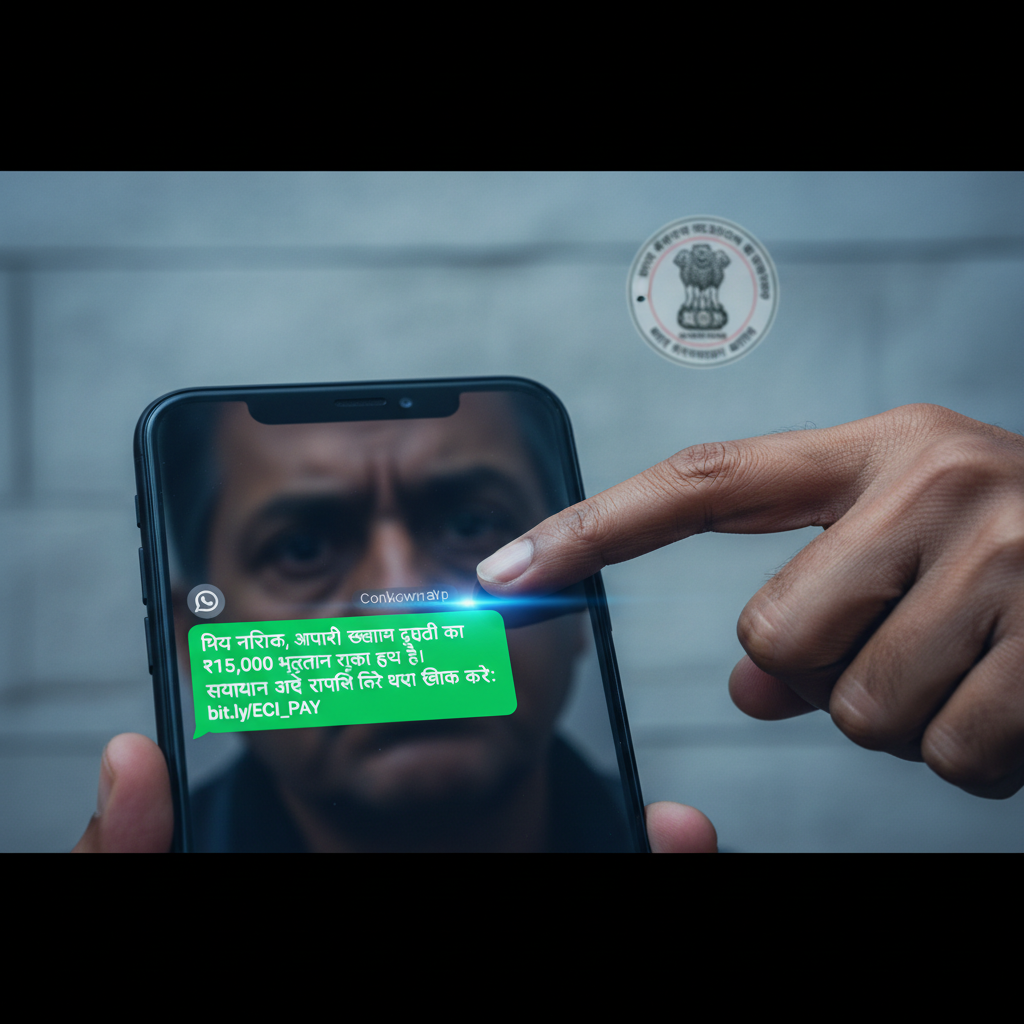
AI deepfake minister investment Facebook/YouTube - is it real? What to do
 HIGH RISK
Comments
Be the first to comment.