
Android Loan App harassing friends and family for EMI delay — what to do in India?
This high-risk scam involves rogue instant loan applications on Android that gain extensive permissions to your phone. When loan repayments are delayed, these apps resort to extreme harassment, contacting your friends, family, and even workplace contacts to shame and coerce you into paying, often demanding exorbitant amounts. They weaponize your private data for extortion.
How This Scam Works
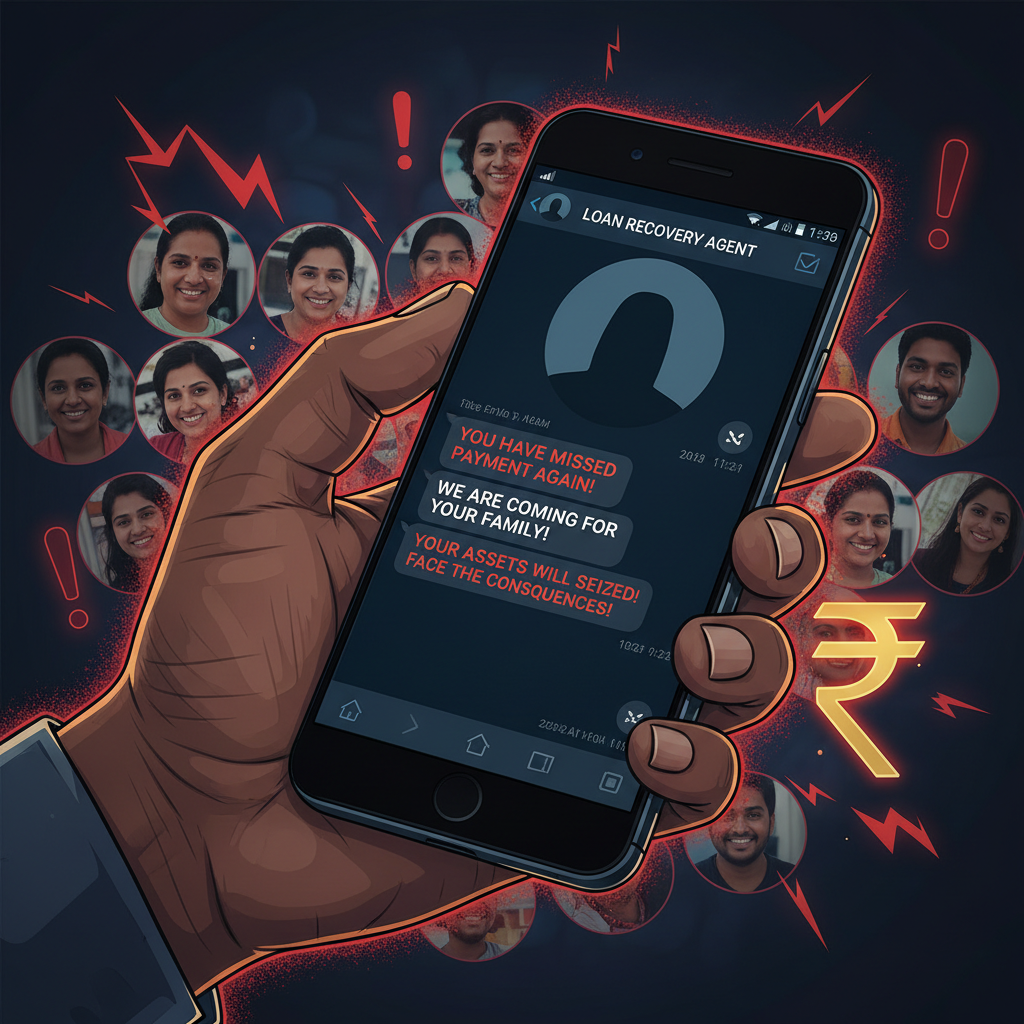
The proliferation of instant loan applications accessible through app stores has created a fertile ground for financial distress for many Indians seeking quick cash. These apps, often promoted through misleading ads on social media or SMS, promise immediate credit with minimal documentation – a tempting offer for those facing urgent financial needs. However, the convenience comes at an extremely high cost. Upon downloading and installing these apps, users are typically prompted to grant a wide array of permissions. This often includes access to their contacts, SMS messages, call logs, camera, microphone, and even gallery. Many users, in their haste or desperation, grant these permissions without fully understanding the implications. The terms and conditions, if present, are often opaque, hidden in fine print, or written in complex legal jargon, effectively obscuring the predatory interest rates and repayment clauses. Once a small loan amount (often ₹1,000 to ₹10,000) is disbursed, the trouble begins. The repayment period is usually extremely short, sometimes as little as 7 days, and the interest rates are astronomical, often exceeding 300-500% annually, far beyond what is legally permissible. If a borrower fails to repay within this short window, even by a single day, the harassment starts. The scam apps leverage the personal data they illicitly collected. They access the borrower's contact list and begin sending threatening and shaming messages to their friends, family members, colleagues, and even distant acquaintances. These messages often falsely accuse the borrower of being a fraudster, a defaulter, or even a hardened criminal, causing immense social embarrassment and reputational damage. They might share morphed or edited pictures, send derogatory voice notes, or make incessant calls. The goal is simple: to create such intense social pressure and fear that the borrower is forced to pay back the loan, often multiple times the original amount due to fabricated penalties and processing fees. They might even demand payment through non-traceable methods like UPI to personal accounts, further complicating recovery. This cycle of harassment and exorbitant demands often pushes individuals into a deeper debt trap and can have severe psychological consequences.
Red Flags
- Permissions Overload:** The app demands excessive and irrelevant permissions during installation, such as access to your contacts, call logs, SMS, camera, and gallery for a simple loan application.
- No Credit Score Check/KYC Light:** Legitimate lenders perform thorough KYC (Know Your Customer) verification and credit score checks (like CIBIL). These apps often approve loans with minimal or no KYC.
- Vague Terms & Conditions:** The loan agreement, interest rates, and repayment terms are unclear, hidden, or difficult to find within the app. There's no clear breakdown of EMI, principal, and interest.
- Unsolicited Offers & Pressure Tactics:** You receive unsolicited SMS or social media ads for "instant loans" with catchy phrases like "no documents, no credit check." They pressure you to apply immediately.
- High Interest Rates/Short Repayment Cycles:** Unreasonably high-interest rates (often expressed daily or weekly) and extremely short repayment periods (e.g., 7-15 days) are a major red flag.
- No Physical Address/Customer Support:** The app or company behind it has no verifiable physical address, email, or functional customer support helpline.
How to Stay Safe
- Download from Reputable Sources ONLY:** Stick to official app stores like Google Play Store and carefully check the developer's name, reviews, and number of downloads. Even then, exercise caution as rogue apps can sometimes slip through.
- Read Permissions Carefully:** Before installing *any* app, review the requested permissions. Ask yourself if a loan app genuinely needs access to your contacts or gallery. Deny unnecessary permissions.
- Verify Lender Credentials:** Before applying for any loan, research the lender. Check if they are registered with the RBI (Reserve Bank of India) as an NBFC (Non-Banking Financial Company) or collaborate with an RBI-regulated bank. Use the RBI Sachet portal for verification.
- Understand Terms & Conditions:** Always thoroughly read and understand the loan agreement, including interest rates, processing fees, and repayment schedules, before accepting. If it's too good to be true, it probably is.
- Never Share Your OTP/UPI PIN:** Legitimate lenders will never ask for your OTP or UPI PIN. Do not share these with anyone.
- Be Wary of Unsolicited Offers:** Ignore SMS messages or social media ads promising instant loans without proper verification.
If You Are Targeted
- Document Everything:** Take screenshots of harassment messages, call logs, WhatsApp chats, and any communication from the loan sharks. Save copies of the loan application and transaction details.
- Do NOT Pay Extortionate Amounts:** While it's advisable to repay the original principal amount (if you can and if it's verifiable), do not succumb to demands for exorbitant interest or fabricated penalties. Paying them often encourages further harassment.
- Block and Report:** Block the numbers from which you are receiving harassment calls and messages. Report the app directly on the Google Play Store (or wherever it was downloaded) for violating policies.
- Inform Your Contacts:** Proactively inform your friends, family, and colleagues about the scam. Explain that if they receive any derogatory messages about you, it's false and part of an illegal extortion attempt.
- File an FIR:** Immediately file a First Information Report (FIR) with your local police station or through their online portal. Provide all documented evidence.
- Cybercrime Complaint:** File a complaint on the National Cybercrime Reporting Portal (cybercrime.gov.in). This is crucial for official tracking and investigation.
- Contact Your Bank:** Inform your bank about the fraudulent activity, especially if any unauthorized transactions occurred or if you feel your account security is compromised.
ScamGuard24 Insight
This predatory loan app harassment highlights the critical need for digital literacy and awareness regarding app permissions. While convenience is enticing, granting unchecked access to personal data turns your smartphone into a weapon against you when dealing with unscrupulous entities.
Suspect a scam right now?
Open ScamGuard24 ScannerRecommended protection tools
AffiliateWe may earn a small commission if you sign up — it never changes our editorial picks.
India's most trusted antivirus. Blocks malicious APKs, UPI phishing and fake banking apps.
Get Quick HealAll-in-one mobile security + VPN. Stops phishing links shared on WhatsApp and SMS.
Try Norton 360Stop reusing passwords. Auto-fills only on the real bank site, never on phishing pages.
Get NordPass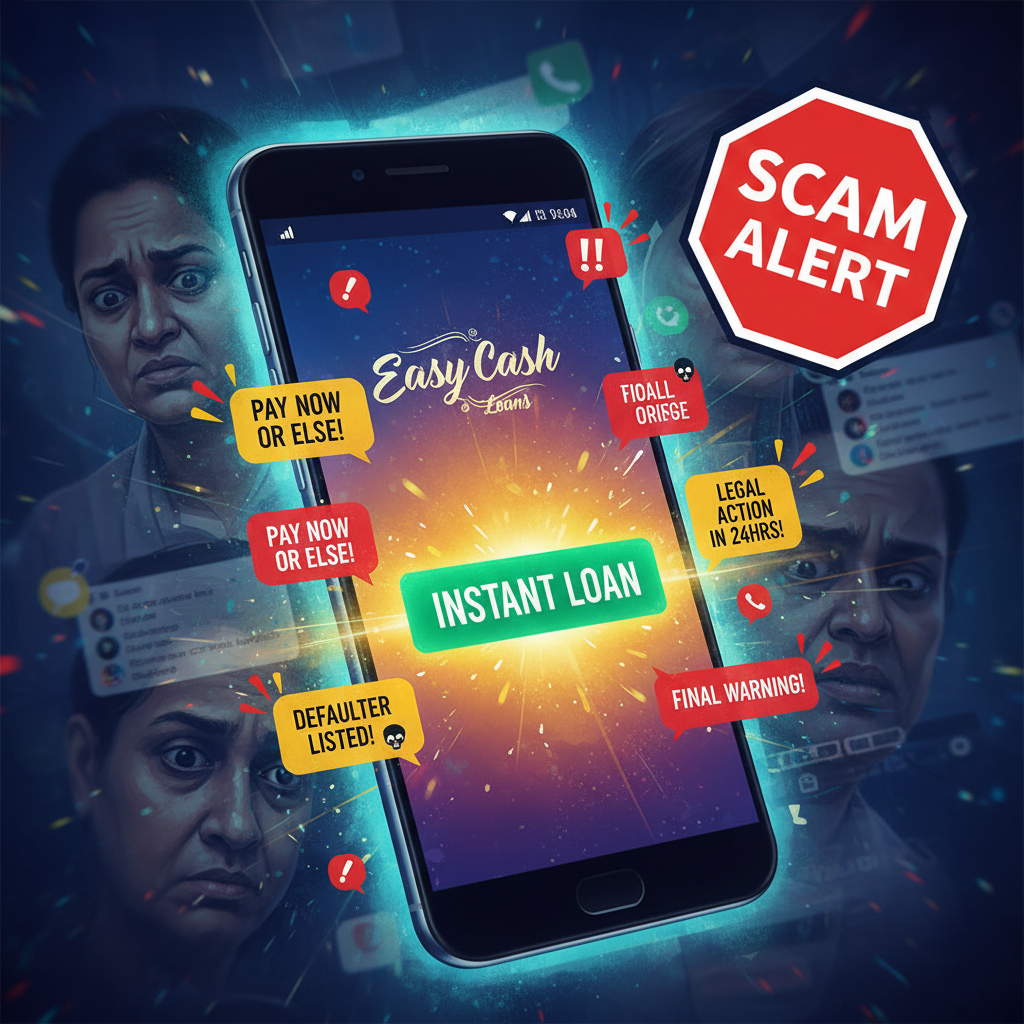

Comments
Be the first to comment.