
CBI call for Aadhaar money laundering case — what to do in India?
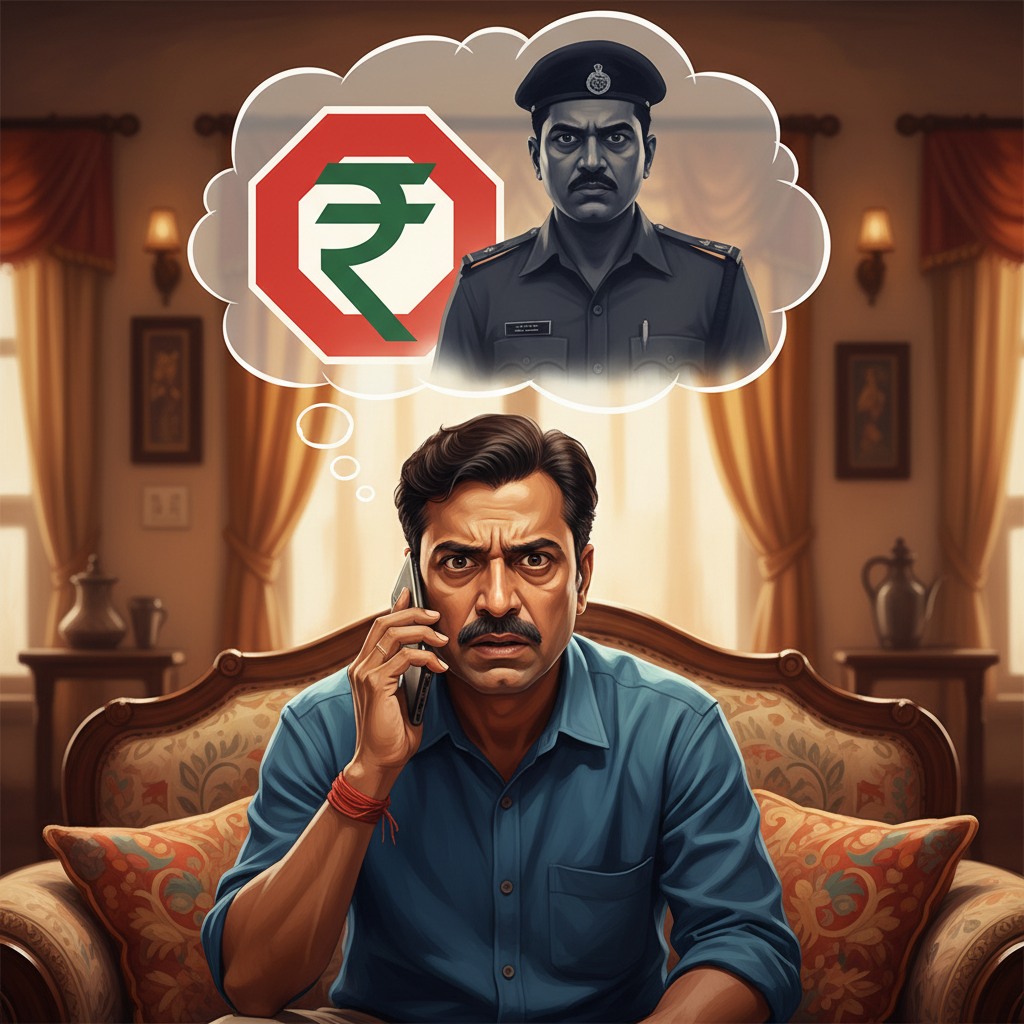
Fraudsters are impersonating CBI or police officials, claiming your Aadhaar is linked to serious crimes like money laundering. They demand immediate action, threatening "digital arrest" if you don't comply, often leading to significant financial loss and mental distress.
How This Scam Works
This insidious scam preys on fear and respect for authority. You receive an unexpected phone call, often from a number that appears legitimate or is masked. The caller identifies themselves as a high-ranking CBI officer or a senior police official. They project an air of urgency and authority, stating your Aadhaar card or bank account has been flagged in a serious criminal investigation, such as money laundering, drug trafficking, or even a terror financing case. They might even mention a specific police station or a fabricated FIR number to sound convincing. The central premise of the scam is to create panic and a sense of impending legal trouble. They might claim that your Aadhaar has been misused to open fraudulent bank accounts or that a parcel in your name containing illegal substances has been intercepted. The fraudsters are highly manipulative, using psychological tactics to keep you on the call, preventing you from verifying their claims. They will then offer a "solution" – usually involving transferring money to a "safe" government account for verification, or providing sensitive personal information like your bank account details, UPI PIN, or OTPs, under the pretext of clearing your name. They might demand you install a remote access app on your phone, giving them direct control over your device and bank accounts. In some sophisticated versions, they might even conduct a fake video call, showing individuals in police uniforms or a fabricated "office" environment to lend credibility. The threat of "digital arrest" is profound – they tell you that if you hang up or don't follow their instructions, an arrest warrant will be issued, and you will be immediately taken into custody. This is designed to isolate you and push you into making rash decisions, ultimately leading to significant financial fraud.
Red Flags
- Caller demanding immediate action, threatening "digital arrest":** No legitimate law enforcement agency will threaten immediate arrest over the phone without following due process.
- Request for sensitive financial information or money transfers:** Police or CBI will never ask for your bank details, UPI PINs, OTPs, or demand money transfers over the phone for an investigation.
- Pressure to remain on the call and not disconnect:** Scammers try to isolate you, preventing you from talking to family, friends, or verifying their claims.
- Unsolicited call claiming involvement in a major crime (Aadhaar/Bank):** If you haven't recently deposited a complaint or are aware of any suspicious activity, such claims out of the blue are highly suspicious.
- Poor grammar or suspicious accents despite claiming to be high-ranking officials:** While not always a definitive sign, inconsistencies in language can be a red flag.
- Request to install remote access apps:** Never install any unknown software at the behest of an unsolicited caller.
How to Stay Safe
- Verify, don't trust:** Always remember that genuine law enforcement agencies will never contact you via phone for an immediate arrest or demand money. If in doubt, hang up and independently verify by calling your local police station using their official contact number (not a number provided by the caller) or visiting them in person.
- Never share personal or financial details:** Under no circumstances should you share your Aadhaar number, bank account details, UPI PIN, OTPs, or any other sensitive personal information with an unsolicited caller.
- Do not transfer money:** Absolutely do not transfer any money to accounts, even if they claim it's a "safe government account" or for "verification."
- Beware of remote access apps:** Never install applications like AnyDesk, TeamViewer, or similar remote access software if an unsolicited caller asks you to. This gives them full control over your device.
- Inform your bank immediately:** If you suspect any fraudulent activity or have inadvertently shared information, contact your bank's fraud department and block your cards/accounts.
- Educate your family, especially elders:** These scams often target vulnerable individuals who may be less familiar with digital fraud.
If You Are Targeted
- Do not panic and hang up immediately:** Your immediate response should be to disconnect the call. Do not engage further.
- Do not provide any information:** Refrain from sharing any personal, financial, or identifying details, even if the caller seems convincing.
- Block the number:** Block the calling number to prevent further harassment.
- Report the incident:** File a complaint with the National Cybercrime Reporting Portal at [https://cybercrime.gov.in](https://cybercrime.gov.in) or call the helpline number 1930. Provide all available details, including the caller's number, time of call, and what was said.
- Inform your bank:** If you shared any financial details, contact your bank's fraud department immediately to assess for potential compromise and take protective measures.
- Alert friends and family:** Make them aware of this scam so they don't fall victim to similar tactics.
ScamGuard24 Insight
The "digital arrest" threat is a potent psychological weapon designed to override rational thinking. Remember, legitimate legal processes always involve official written communication and adherence to proper procedures, never immediate financial demands over an unsolicited phone call.
Suspect a scam right now?
Open ScamGuard24 ScannerRecommended protection tools
AffiliateWe may earn a small commission if you sign up — it never changes our editorial picks.
India's most trusted antivirus. Blocks malicious APKs, UPI phishing and fake banking apps.
Get Quick HealAll-in-one mobile security + VPN. Stops phishing links shared on WhatsApp and SMS.
Try Norton 360Stop reusing passwords. Auto-fills only on the real bank site, never on phishing pages.
Get NordPassRelated alerts
 HIGH RISK
CBI call Aadhaar money laundering scam India - what to do?
 HIGH RISK
CBI call for Aadhaar money laundering – is it real? What to do!
 HIGH RISK
Comments
Be the first to comment.